
Abstract
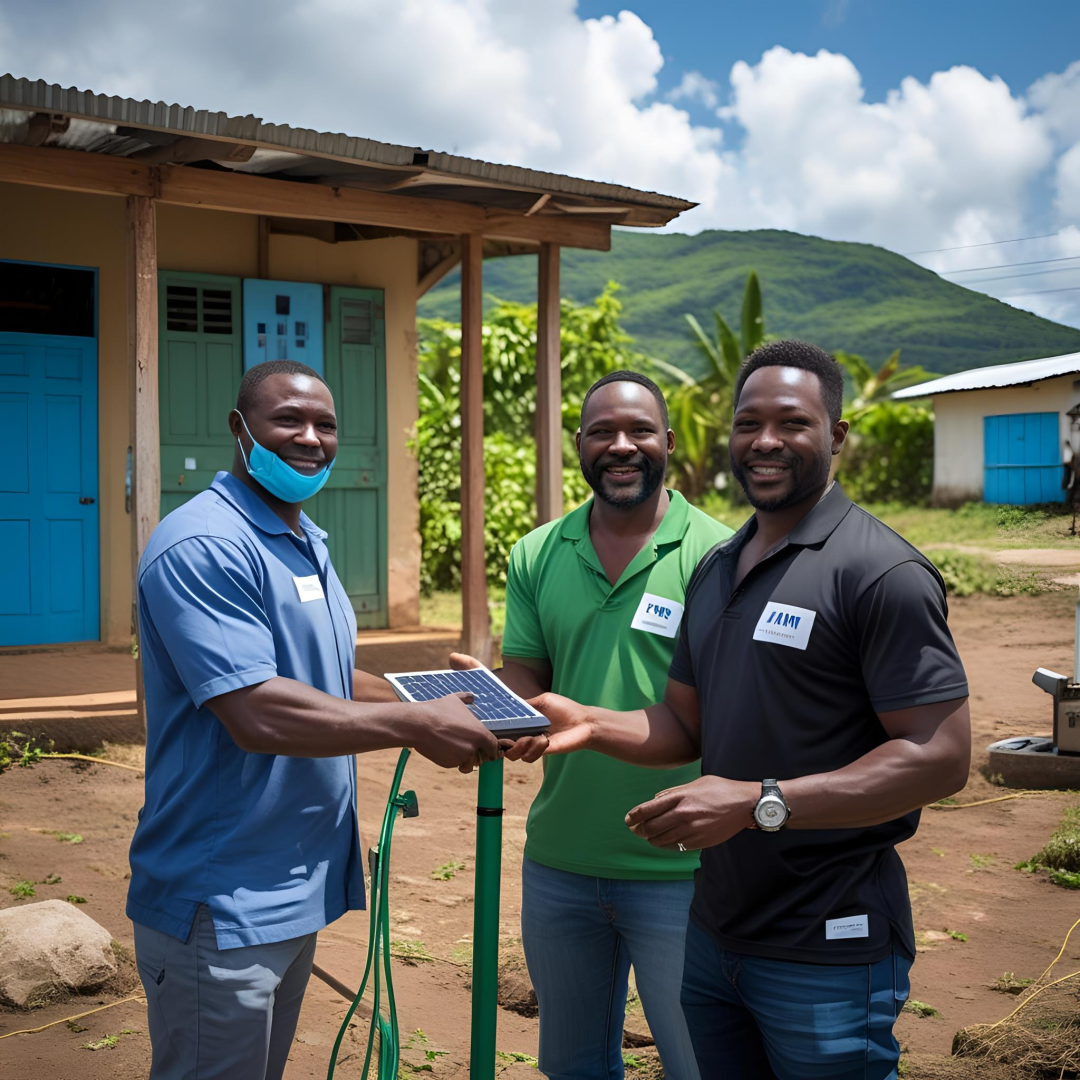
Haiti continues to face critical energy challenges, with over 60% of the population lacking reliable access to electricity. The lack of infrastructure and economic instability has left millions dependent on expensive and polluting energy sources such as diesel. In an effort to create sustainable and equitable access to power, AIPCHAIN has launched a strategic partnership with a local non-profit organization in Haiti to deploy renewable microgrid solutions powered by blockchain and AI-driven energy management. This project seeks to empower underserved communities with clean, decentralized, and community-owned energy systems, serving as a replicable model for energy equity in developing nations.
1. Introduction
In Haiti, energy poverty is a systemic barrier to development. From limited refrigeration for medicine to constrained educational and economic activity, the lack of electricity directly impacts public health, livelihoods, and quality of life. The collaboration between AIPCHAIN and a Haitian NGO brings together technological innovation and community development to bridge this gap through decentralized renewable energy infrastructure.
2. Project Location and Stakeholders
The pilot deployment is centered in Gressier, a semi-rural commune west of Port-au-Prince, where over 70% of households live off-grid. Local implementation is supported by:
- AIPCHAIN’s engineering and blockchain development team
- A Haitian non-profit focused on sustainable community infrastructure
- Local energy technicians trained through the program
This partnership ensures community ownership, capacity building, and culturally grounded deployment strategies.
3. Technology Stack
The AIPCHAIN deployment in Haiti integrates:
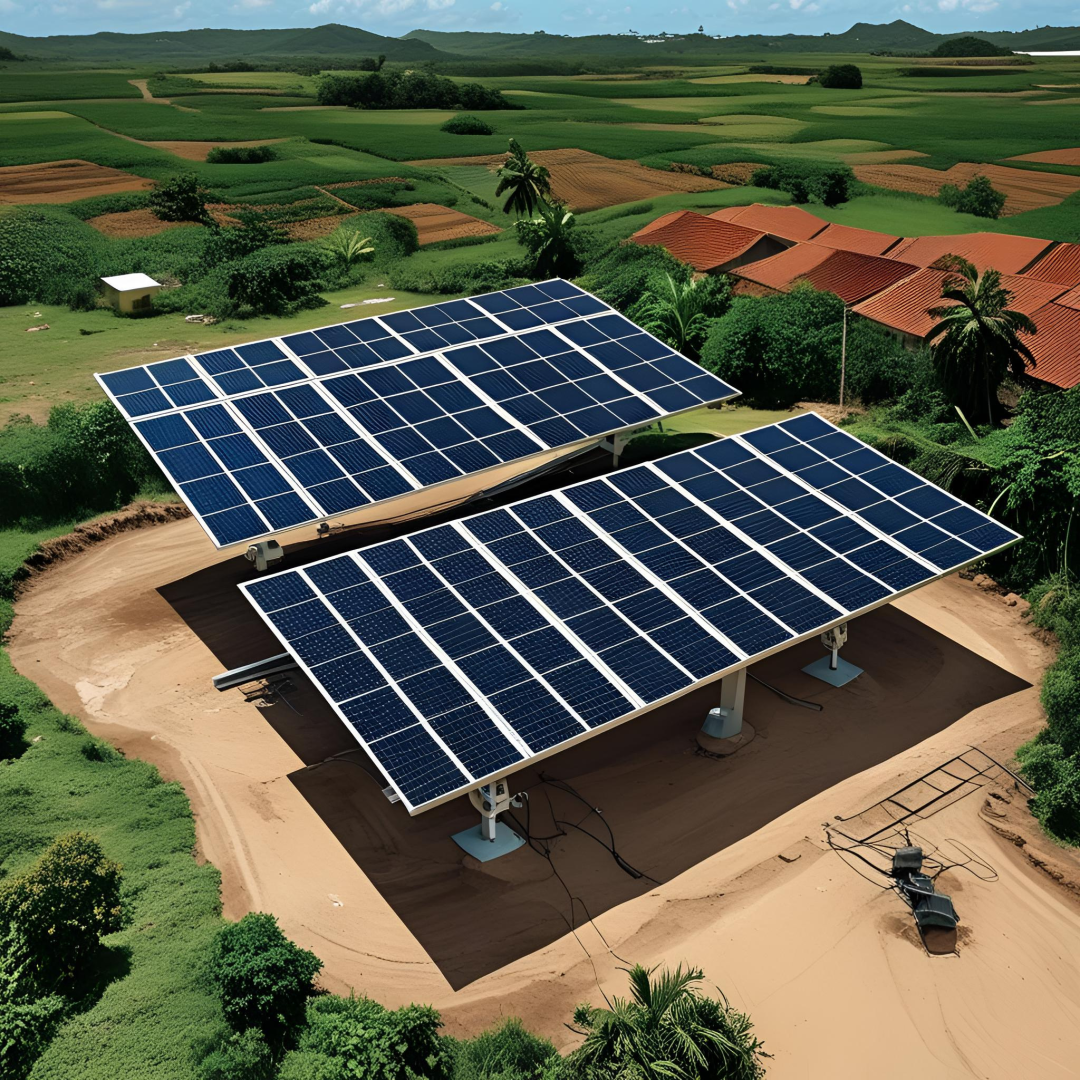
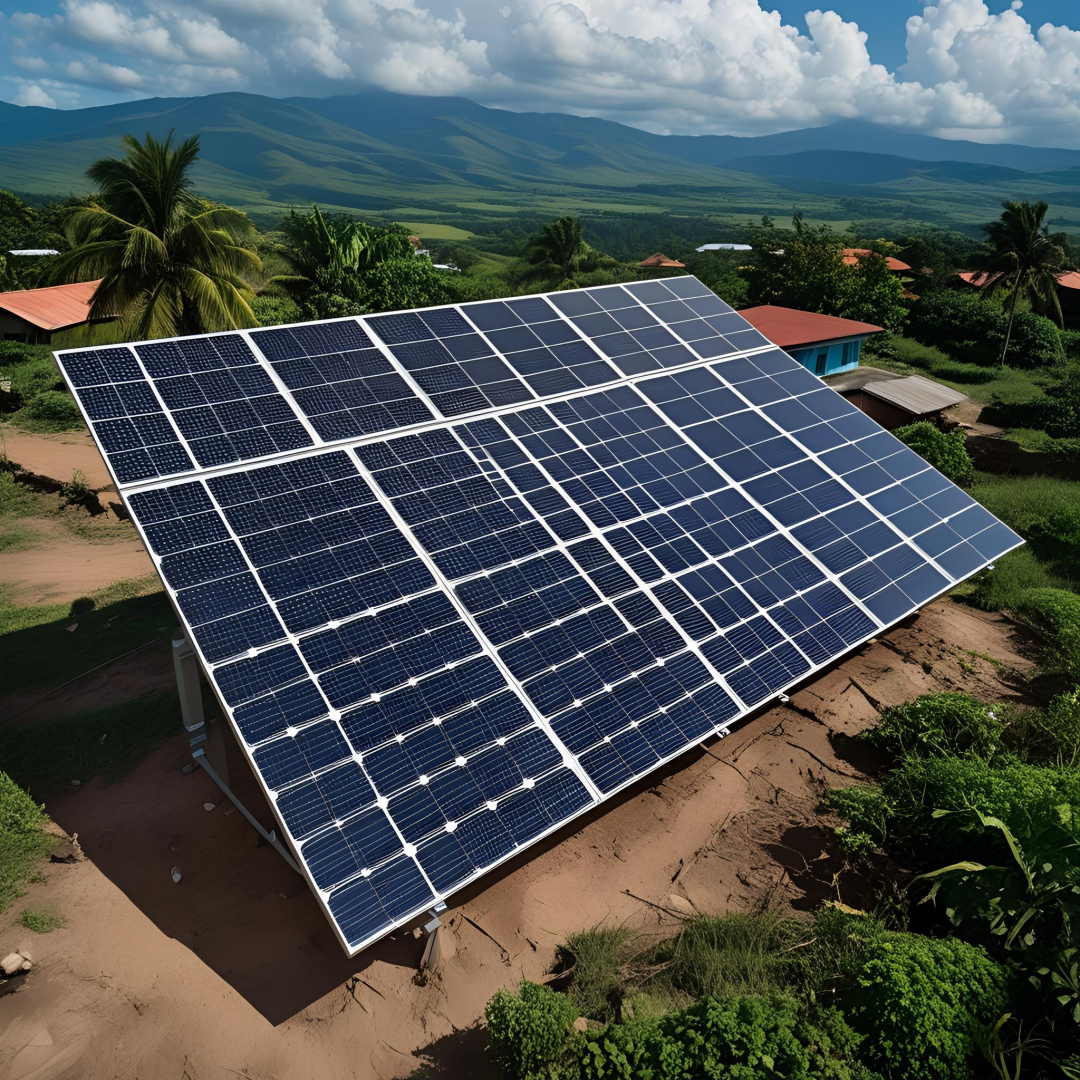
- Solar PV Systems (3-10 kW per community cluster)
- Lithium-based battery storage for energy reliability
- AI-powered energy forecasting based on weather and demand data
- Blockchain smart contracts to automate peer-to-peer energy trading
- Token-based micro-payments using mobile phones for accessibility
4. Energy Justice Through Decentralization
By bypassing centralized utilities, the system enables:
- Community-level energy governance
- Transparent accounting of energy use and contribution
- Equitable access regardless of income status
Residents can produce, store, and trade electricity locally, supported by smart contracts that enforce fair pricing and prevent exploitation.
5. Socioeconomic and Environmental Benefits
- 🌱 Climate resilience through clean energy sources
- 💡 Reliable power for clinics, schools, and markets
- 📲 Mobile-based payment integration for digital financial inclusion
- 👩🔧 Employment opportunities for trained solar and blockchain technicians
- ♻️ Reduction in carbon emissions by replacing kerosene and diesel generators
6. Monitoring, Verification, and Impact Tracking
All energy production, transactions, and consumption data are stored on the AIPCHAIN blockchain ledger, ensuring:
- Immutable verification for donors and regulators
- Real-time monitoring dashboards
- Integration with carbon credit protocols for funding via environmental finance mechanisms
7. Partnerships and Policy Alignment
The project aligns with Haiti’s National Energy Sector Development Plan, and has received preliminary support from the Haitian Ministry of Public Works, Transport and Communications. AIPCHAIN is also in dialogue with international development agencies and climate finance funds to scale the model to more communes.
8. Roadmap
- Q4 2025: Complete pilot in Gressier (serving ~150 households)
- Q1 2026: Expand to 3 additional rural communities
- 2026–2027: Deploy decentralized energy governance model nationally through Haitian NGOs and cooperatives
Conclusion
The AIPCHAIN-Haiti initiative represents a new paradigm in energy access and equity, leveraging AI, blockchain, and community-based microgrids to empower underserved populations. With scalable technology and a replicable model rooted in local partnerships, this project redefines how renewable energy can be delivered ethically, affordably, and transparently in fragile economies.
References
- Haiti National Energy Sector Development Plan (2023)
- AIPCHAIN Technical Architecture White Paper (2025)
- UNDP Energy Access for the Poor in Latin America & Caribbean Report (2024)
- Clean Energy for Community Resilience – Pilot Case Studies (IRENA, 2023)
- Interviews with community stakeholders in Gressier (2025)