
Abstract
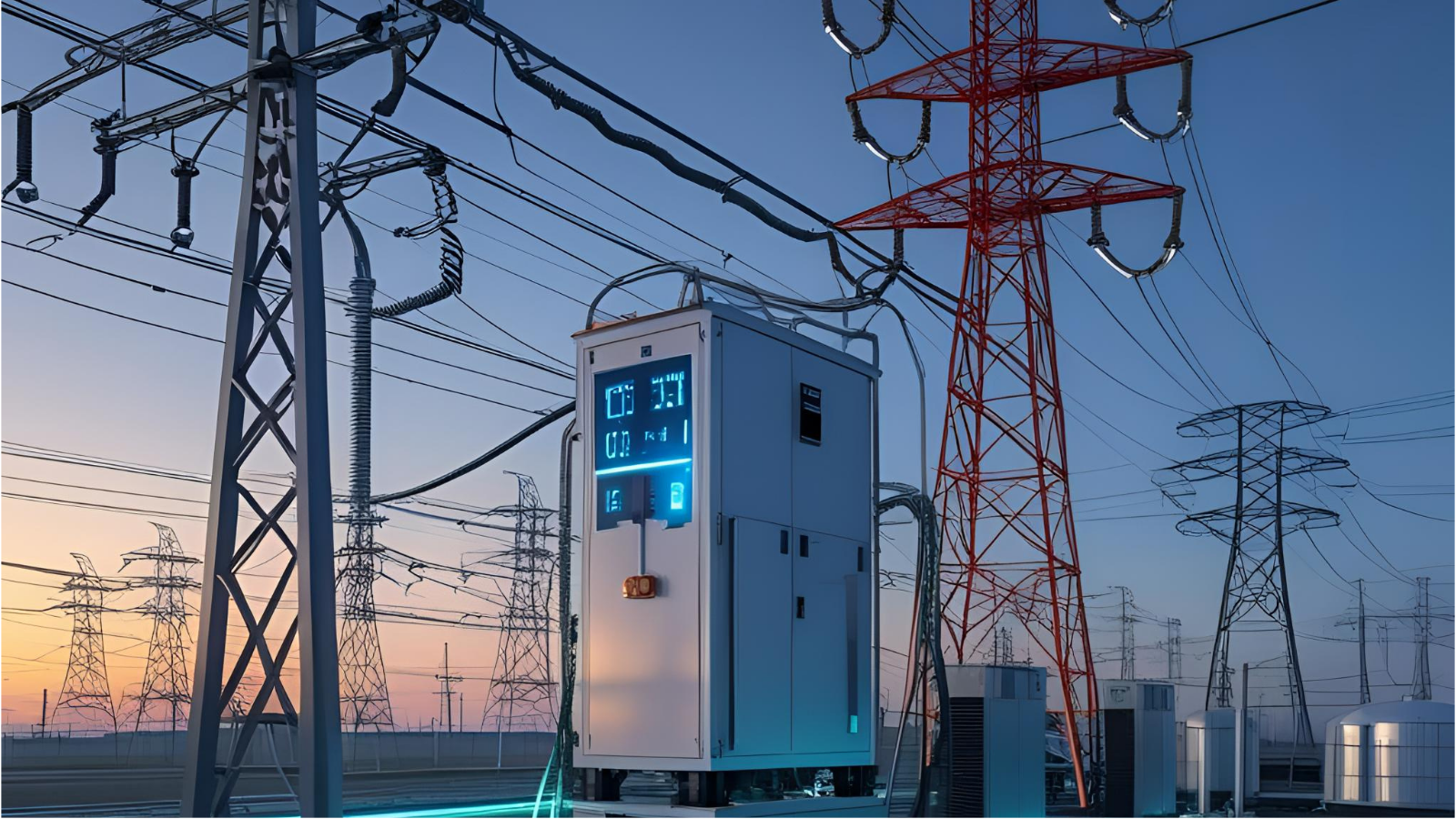
The integration of energy storage systems such as solar batteries and lithium-ion batteries, coupled with advanced grid balancing algorithms and decentralized microgrid management, is critical to modernizing electric grids for resilience, efficiency, and sustainability. This paper examines AIPCHAIN’s research and development efforts in battery integration, load balancing optimization, and decentralized microgrid architectures. These innovations support the transition to flexible, autonomous, and distributed energy networks essential for future smart grids.
1. Introduction
As renewable energy penetration increases, energy storage and grid management have become paramount in ensuring stability, reliability, and economic operation of power systems. Conventional grids struggle with intermittency and load variability, necessitating advanced solutions such as integrated battery systems, intelligent load balancing, and decentralized microgrids. The AIPCHAIN initiative focuses on these key technologies to build a resilient and scalable energy infrastructure.
2. Battery Integration: Storage Systems for Grid Flexibility
Energy storage systems (ESS), particularly solar photovoltaic (PV) batteries and lithium-ion batteries, play a vital role in mitigating the intermittent nature of renewable generation. Key features of battery integration include:
- Energy Arbitrage: Storing surplus energy during low demand or peak generation periods and dispatching during peak demand.
- Frequency and Voltage Regulation: Providing ancillary services to stabilize grid frequency and voltage.
- Backup Power and Islanding: Supporting microgrid autonomy during grid outages or disturbances.
The integration challenges encompass power electronics design, control strategy coordination, and communication interoperability with grid management systems (Kumar et al., 2023).
3. Grid Balancing Algorithms
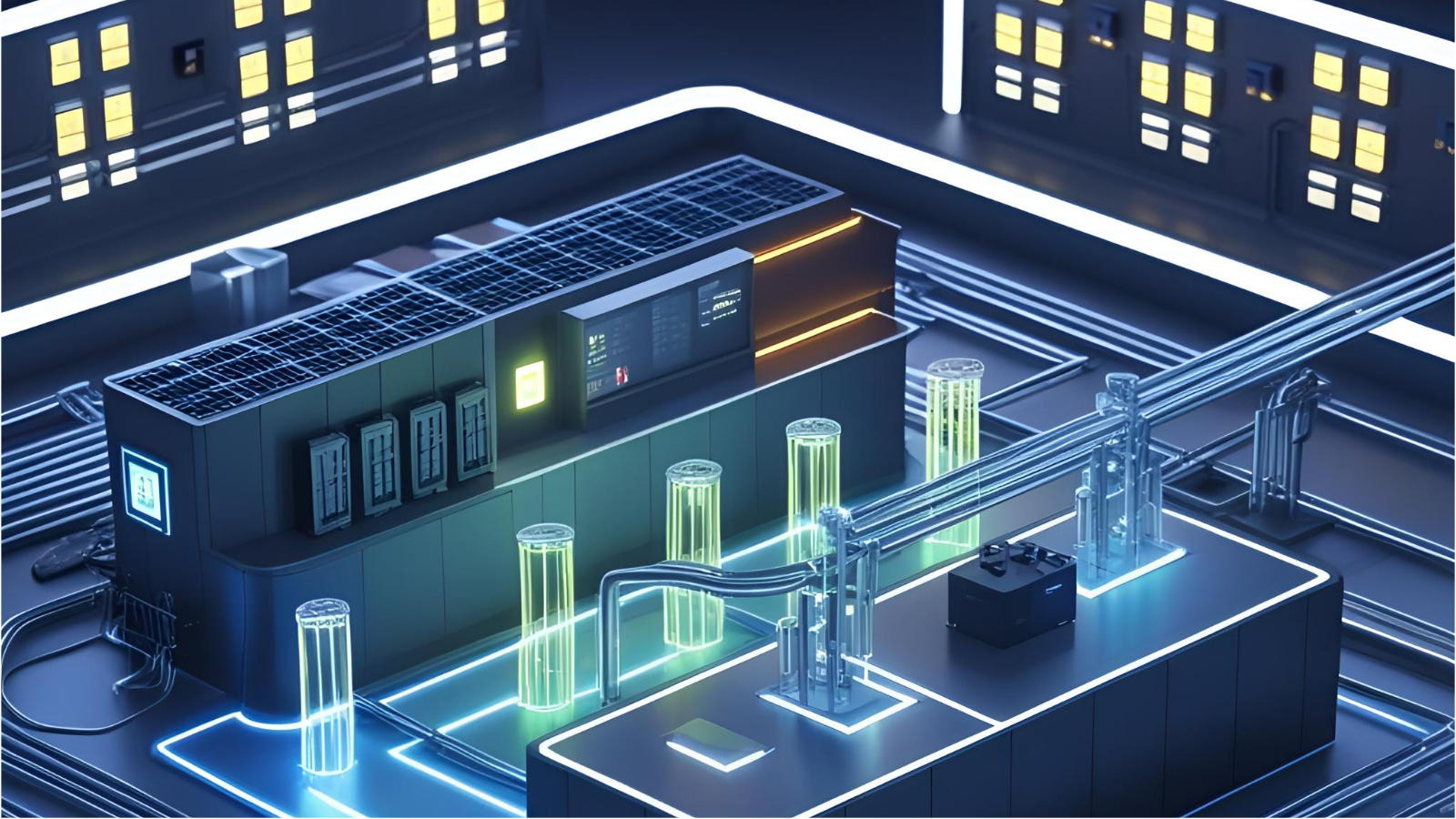
Maintaining equilibrium between electricity supply and demand in real-time is essential to prevent blackouts and equipment damage. AIPCHAIN leverages advanced grid balancing algorithms that optimize load distribution by:
- Dynamically adjusting generation dispatch and storage utilization.
- Predictive load forecasting combined with real-time measurements.
- Coordinating distributed energy resources (DERs) and flexible loads across multiple zones.
These algorithms employ machine learning techniques and heuristic optimization to achieve high computational efficiency and operational reliability (Smith & Lee, 2022).
4. Decentralized Microgrids: Autonomous Local Energy Systems
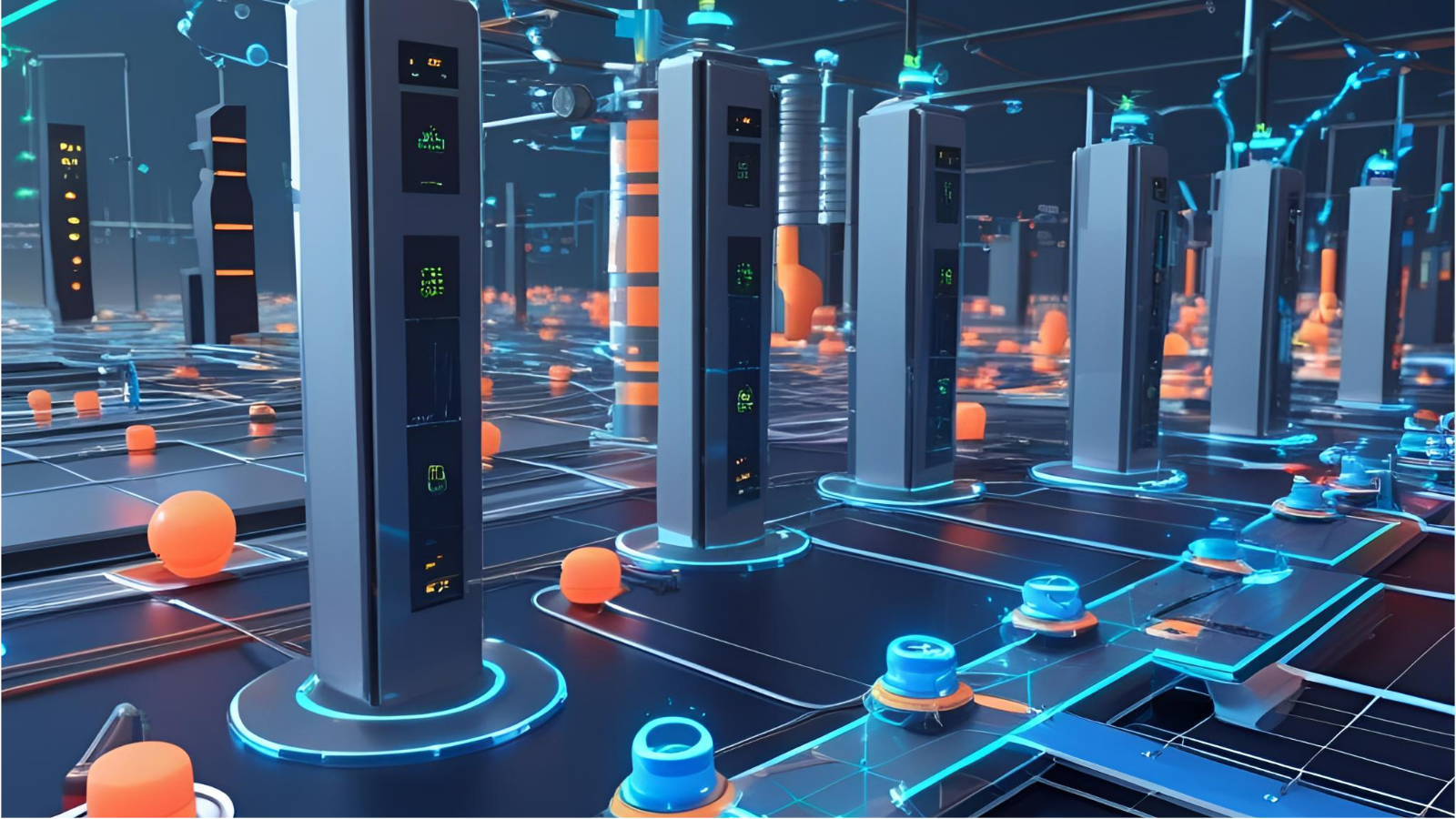
Decentralized microgrids are localized power networks capable of operating independently or connected to the main grid. They incorporate DERs, energy storage, and load control to provide:
- Self-sufficiency and resilience in remote or critical infrastructures.
- Reduced transmission losses and enhanced energy efficiency.
- Adaptive energy management through real-time data analytics and autonomous controls.
AIPCHAIN’s microgrid management framework integrates blockchain-based transaction recording, smart contracts for energy exchange, and AI-driven optimization to enable secure, transparent, and automated operations (Nguyen et al., 2024).
5. System Architecture and Implementation
| Layer | Description |
|---|---|
| Energy Storage Layer | Battery systems with integrated control and communication. |
| Control and Algorithm Layer | Grid balancing algorithms with predictive analytics. |
| Microgrid Management Layer | Decentralized control using blockchain and AI tools. |
| Application Layer | User interfaces, energy trading platforms, and dashboards. |
6. Benefits and Impact
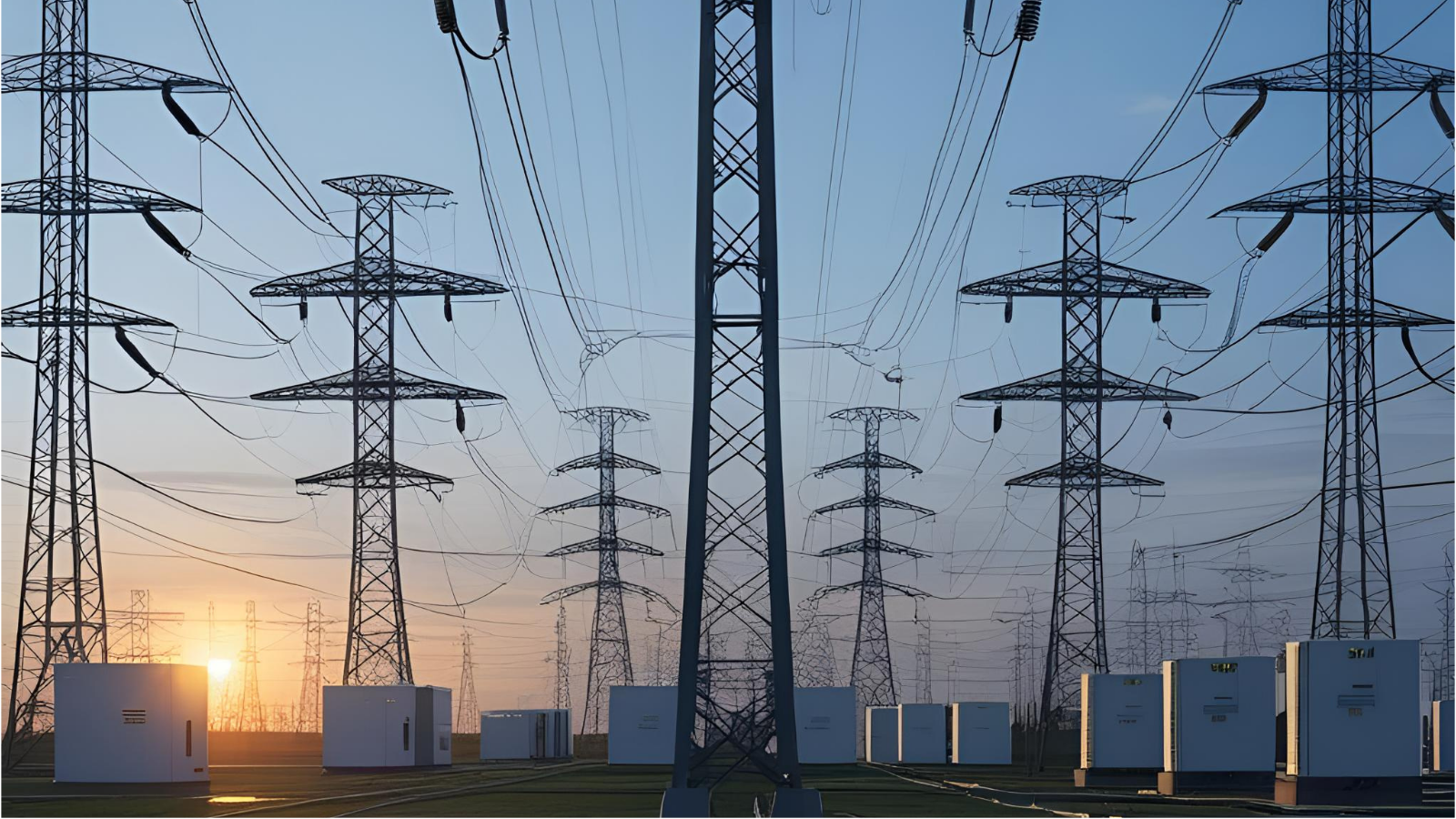
Integrating energy storage with intelligent grid management yields multiple benefits:
- Enhances grid stability and reliability by buffering fluctuations.
- Supports higher penetration of renewable energy sources.
- Enables flexible and efficient energy trading and consumption.
- Provides resilience against outages through microgrid islanding.
- Facilitates regulatory compliance and transparent energy accounting.
These advances align with the global push for decarbonization and smart energy systems (Zhang et al., 2023).
7. Conclusion
AIPCHAIN’s comprehensive approach to battery integration, grid balancing algorithms, and decentralized microgrids represents a significant advancement toward resilient, efficient, and sustainable power systems. Through the synergy of storage technologies, intelligent algorithms, and autonomous microgrid control, AIPCHAIN supports the transformation of legacy grids into flexible, smart energy networks capable of meeting the demands of the future.
References
- Kumar, S., Patel, R., & Singh, A. (2023). Integration challenges of lithium-ion batteries in smart grid applications. Journal of Energy Storage, 52, 104757.
- Smith, J., & Lee, T. (2022). Advanced grid balancing algorithms for distributed energy systems. IEEE Transactions on Smart Grid, 13(4), 2950–2962.
- Nguyen, H., Tran, M., & Hoang, D. (2024). Blockchain-enabled microgrid management for autonomous energy systems. Renewable and Sustainable Energy Reviews, 173, 113080.
- Zhang, Y., Li, X., & Chen, W. (2023). Energy storage integration for renewable power grids: A comprehensive review. Energy Reports, 9, 1283–1305.