
Abstract
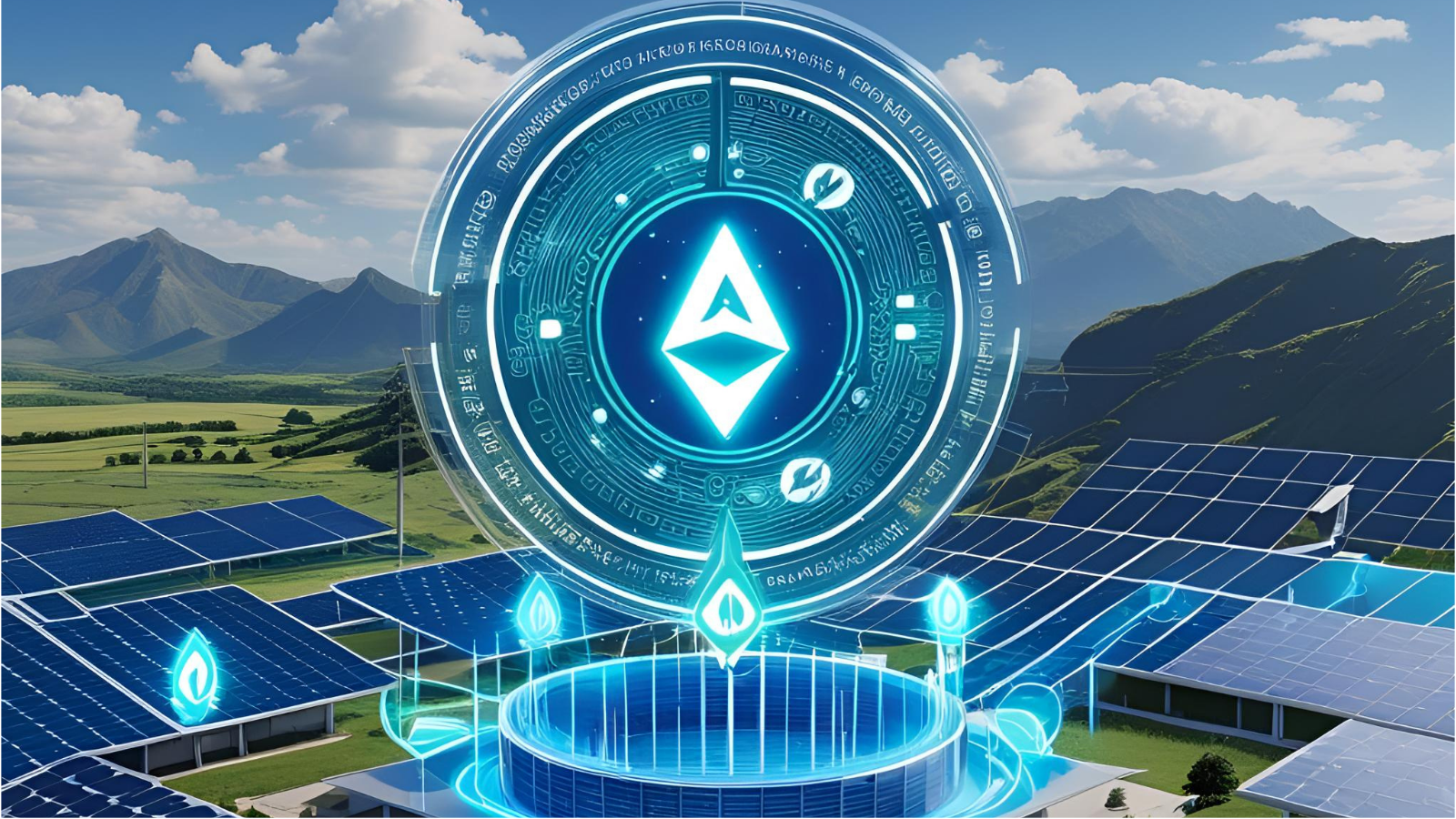
The integration of blockchain technology into clean energy systems offers transformative potential in transparency, automation, and trustless coordination. AIPCHAIN, an AI-enhanced blockchain platform, implements a decentralized architecture to manage clean energy generation, consumption, and exchange. By tokenizing renewable energy, automating settlements, and enforcing smart contract-based governance, AIPCHAIN creates a secure, traceable, and incentive-aligned ecosystem for global clean energy coordination. This paper explores the technological components, governance models, and sustainability outcomes of AIPCHAIN’s blockchain-based clean energy management system.
1. Introduction: The Role of Blockchain in Energy Transformation
The global transition toward clean energy is hindered by centralized infrastructure, lack of transparency, and inefficient incentive structures. Traditional systems rely on intermediaries for energy metering, billing, and market access, creating bottlenecks and vulnerability to fraud.
Blockchain enables:
- Immutable energy transaction records
- Peer-to-peer (P2P) clean energy exchanges
- Decentralized coordination without a central utility
AIPCHAIN integrates blockchain with artificial intelligence (AI) to automate energy market functions while ensuring environmental accountability and financial inclusion.
2. System Architecture of AIPCHAIN’s Blockchain Layer
2.1. Distributed Ledger Infrastructure
- Proof-of-Stake (PoS) for low energy consumption and validator consensus
- Layer-2 Rollups to enhance scalability and reduce transaction fees
- Smart Contracts to automate pricing, rewards, and compliance
2.2. Tokenized Energy Framework
- Energy-as-a-Token (EAAT): Each kilowatt-hour (kWh) of clean energy is tokenized with traceable metadata
- AIP Token: Used for transaction fees, governance, staking, and rewards
- Carbon Credits: Issued and retired via smart contracts for verified clean energy use
3. Blockchain Applications in Clean Energy
| Use Case | Description |
|---|---|
| Tokenized Energy Markets | Energy is traded as digital assets in real-time |
| Automated Grid Settlements | Smart contracts reconcile energy flows and payments without intermediaries |
| Renewable Provenance Tracking | Verifiable audit trails of energy source, timestamp, and location |
| Regulatory Compliance | zk-KYC and smart compliance modules ensure secure reporting |
| Microgrid Coordination | Local generation, storage, and consumption balanced autonomously |
4. Smart Contracts for Market Coordination
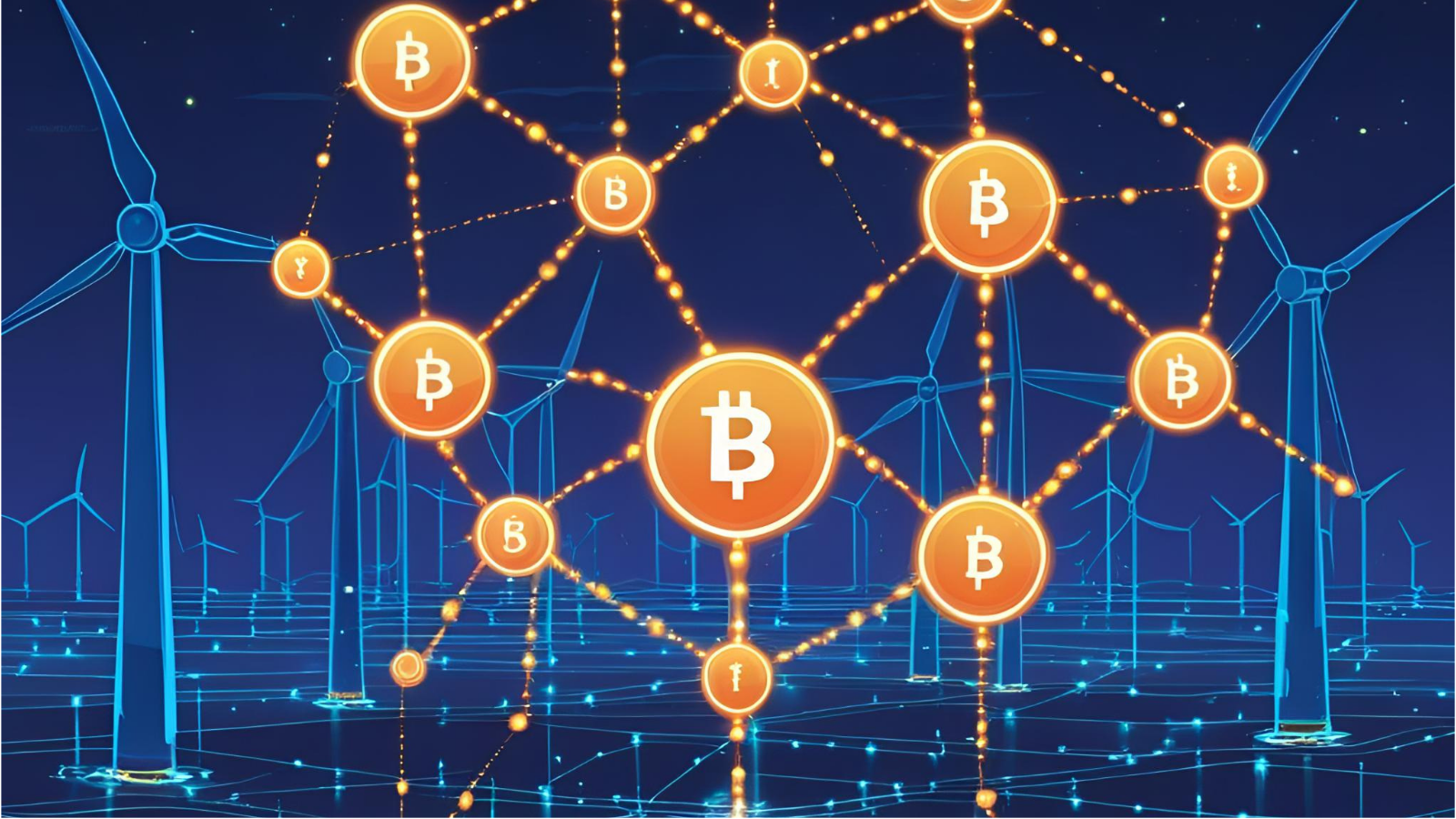
Smart contracts enable real-time automation of:
- Dynamic pricing: Adjusted by AI forecasts of demand/supply
- P2P energy swaps: Between prosumers and consumers in microgrids
- Reward distribution: Based on verified generation and sustainability impact
- Energy slashing penalties: For misreporting or under-delivery
All contracts are upgradeable via on-chain governance using AIP tokens.
5. Data Integrity and Security
5.1 Immutable Energy Data
- Smart meters feed verified data through oracles (e.g., Chainlink)
- Every energy event is logged immutably on-chain with timestamp, location, and source
5.2 Privacy-preserving Compliance
- Zero-knowledge proofs (zk-proofs) allow users to prove compliance without disclosing identity
- Soulbound tokens (SBTs) for verified prosumer identity and energy behavior history
6. AI + Blockchain Synergy for Energy Optimization
AIPCHAIN combines blockchain with AI to:
- Predict energy production and demand for optimal dispatch
- Automate grid balancing through VPPs (Virtual Power Plants)
- Incentivize behavior via adaptive reward models
AI systems rely on blockchain-secured data to ensure trustworthy learning and decision-making.
7. Benefits of Blockchain in Clean Energy Management
| Benefit | Explanation |
|---|---|
| Transparency | All transactions are auditable and time-stamped |
| Automation | Energy settlements and pricing require no intermediaries |
| Inclusion | Anyone with a solar panel or battery can participate |
| Climate Accountability | Carbon credits are issued and verified on-chain |
| Economic Alignment | Token rewards directly reflect environmental contribution |
8. Challenges and Future Outlook
| Challenge | Proposed Solution |
|---|---|
| Interoperability | Cross-chain bridges and API integrations with energy utilities |
| Regulatory Uncertainty | zk-KYC and modular compliance plugins for various jurisdictions |
| Data Oracle Manipulation | Decentralized oracle networks with slashing for misreporting |
| Adoption by Legacy Grids | Hybrid on/off-chain models for gradual integration |
Future Directions Include:
- Integration with IoT-enabled carbon sensors
- DAO-managed energy cooperatives
- Cross-border clean energy trade using stablecoins
9. Conclusion
AIPCHAIN’s blockchain-based clean energy management architecture addresses fundamental limitations of traditional energy systems by introducing transparency, automation, and decentralized access. Through tokenization, smart contracts, and immutable data infrastructure, AIPCHAIN supports a globally scalable solution for clean energy coordination. As climate challenges mount, the synergy of blockchain and AI offers a path toward resilient, efficient, and democratized energy systems.
References
- IEA (2024). Digitalization of Energy Systems
- Chainlink (2023). Oracles in Renewable Energy
- AIPCHAIN Whitepaper (2025)
- IEEE Xplore (2024). Blockchain Applications in Energy Management
- PwC (2023). Clean Energy and Blockchain Integration Strategies