
1. Introduction
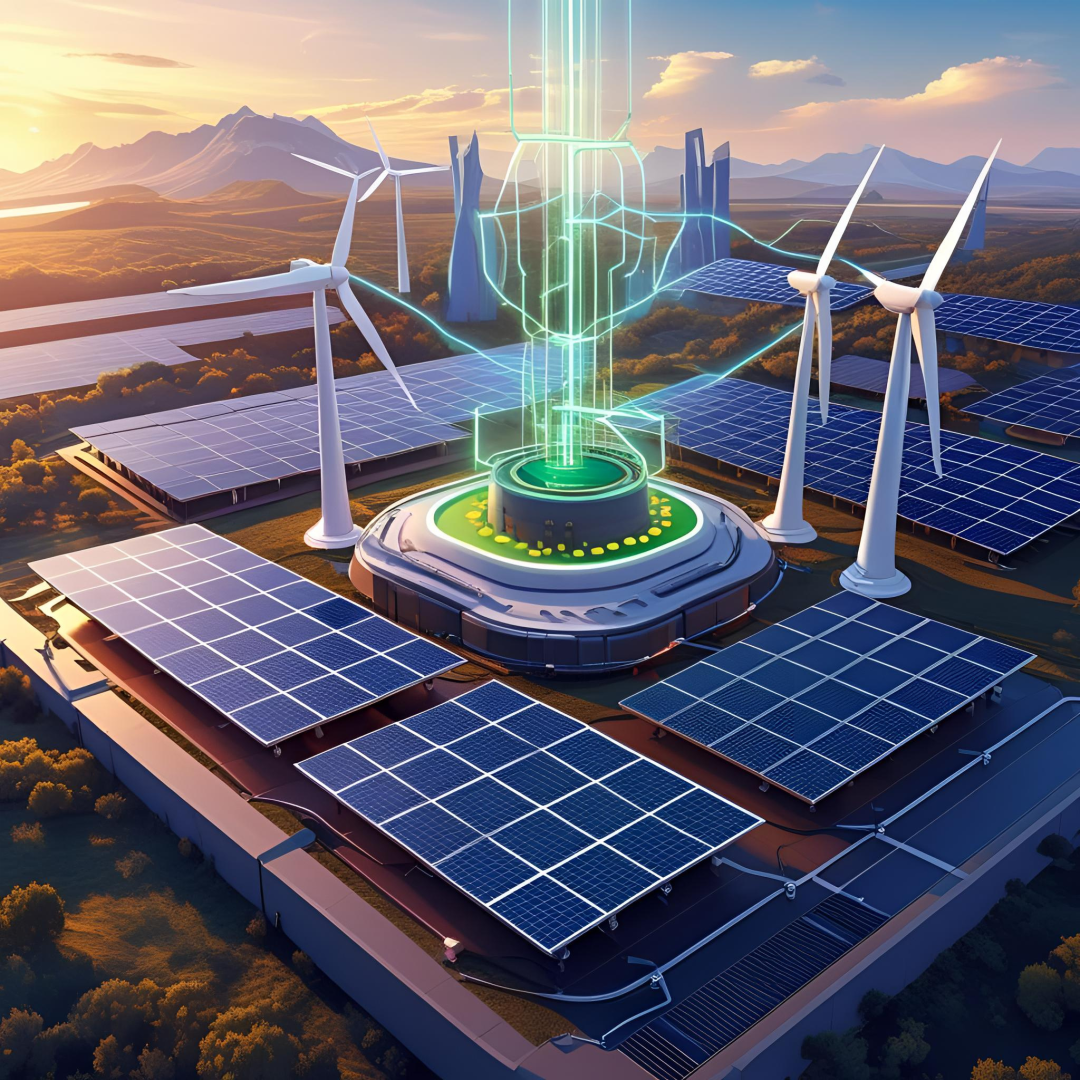
The energy sector has long relied on centralized intermediaries and manual contracts to govern transactions. In decentralized systems—where prosumers trade peer-to-peer and microgrids operate autonomously—traditional contracts are insufficient.
Smart contracts, deployed on blockchain, are self-executing agreements with terms encoded directly into logic. Within AIPCHAIN, they power autonomous trading, dynamic pricing enforcement, and decentralized governance.
2. Smart Contract Architecture for Energy Transactions
2.1 Key Features
- Autonomous Execution: Trigger payments based on real-time delivery conditions.
- Immutable Logic: Code is verifiable and resistant to tampering.
- Transparency: All actions and triggers are recorded on-chain.
- Interoperability: Compatible with ERC-20 and external oracles.
2.2 Technical Components
| Component | Description |
|---|---|
| Energy Oracle | Provides trusted data on energy usage and generation. |
| Condition Engine | Monitors contract triggers like time, price, and volume thresholds. |
| Settlement Logic | Executes energy token transfers upon fulfillment of contract terms. |
| Dispute Resolver | Optional governance layer for resolving edge-case exceptions. |

3. Applications in Decentralized Energy Systems
3.1 Automated Purchase Agreements
Producers publish contracts specifying quantity, price, and timing. Upon match:
- Buyer funds are locked
- Energy delivery verified by smart meter
- Payment released automatically
3.2 Time-of-Use Contracts
Contracts adjust prices based on peak hours, weather, or grid load. AI agents may manage such dynamic portfolios.
3.3 Renewable Energy Certificates (RECs)
Smart contracts can issue RECs for verified clean energy production, enhancing transparency in green markets.
4. Benefits of Smart Contract Automation
| Benefit | Impact |
|---|---|
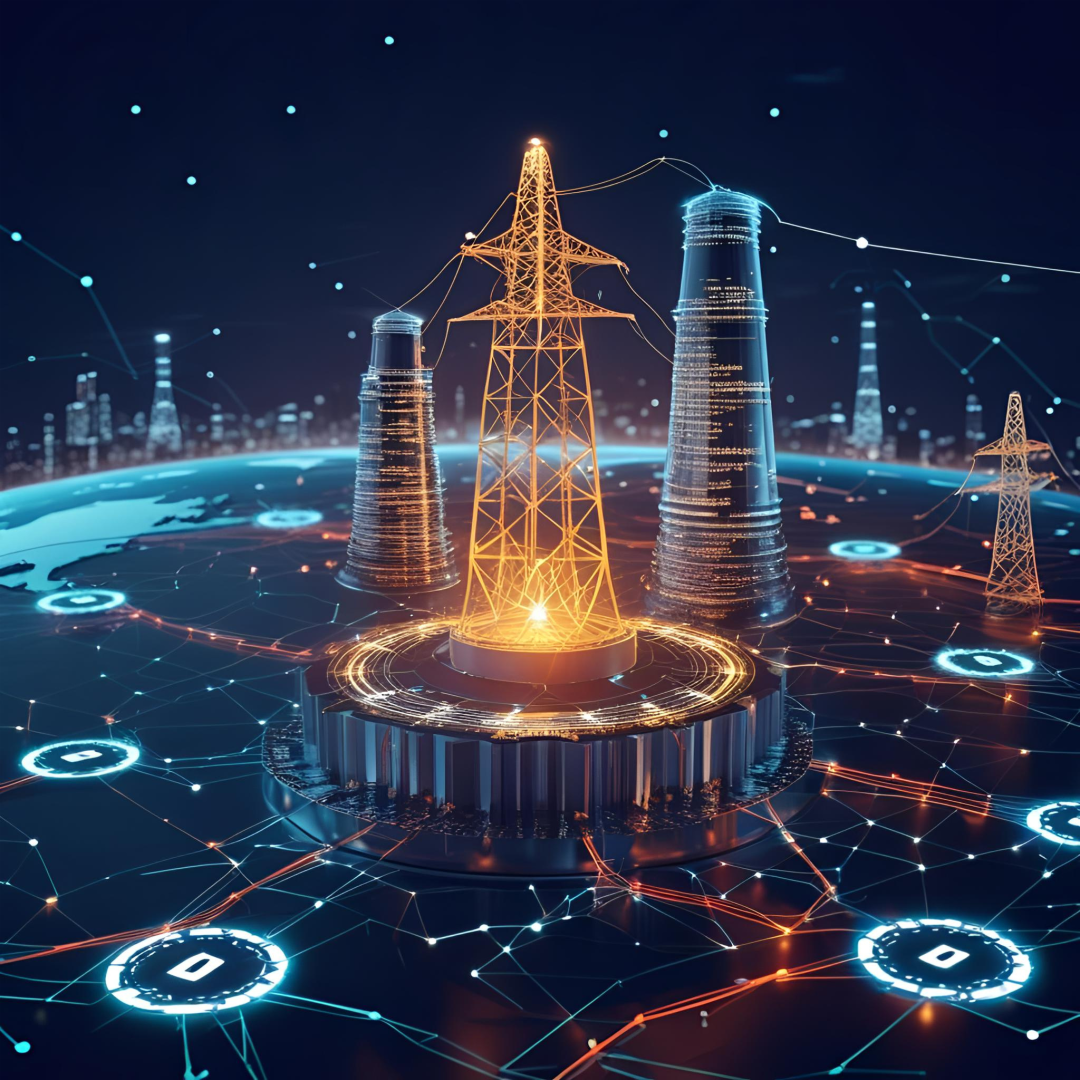
| Trustless Transactions | Eliminates the need for centralized third parties. |
| Dispute Elimination | Rules enforced by code, not by negotiation. |
| Lower Transaction Costs | Reduces manual processes and intermediaries. |
| Faster Settlements | Enables real-time transaction finality. |
| Auditability | Every action is transparently logged on-chain. |
5. Challenges and Mitigation Strategies
| Challenge | Mitigation Strategy |
|---|---|
| Code Vulnerabilities | Use formally verified libraries and rigorous audits. |
| Oracle Manipulation | Leverage decentralized oracle networks with cross-verification. |
| Legal Enforceability | Design contracts in line with regional regulatory frameworks. |
| User Accessibility | Develop intuitive UIs that abstract smart contract complexity. |
6. Future Directions
- Cross-chain interoperability for energy tokens
- Multi-signature governance for contract updates
- AI-powered autonomous energy portfolio management
- Real-time compliance with policy and regulation
7. Conclusion
Smart contract automation redefines how energy is contracted, settled, and verified. By removing intermediaries and reducing operational friction, AIPCHAIN’s blockchain-based smart contracts unlock a new era of real-time, decentralized, and scalable energy markets.
This transformation is key to achieving transparent, efficient, and user-centric energy systems powered by renewable sources and governed by code.
References
- Buterin, V. (2014). A Next-Generation Smart Contract and Decentralized Application Platform.
- IEA (2024). Digital Contracts in Energy Trading: Opportunities and Regulatory Challenges.
- AIPCHAIN Technical Whitepaper (2025). Smart Contract Automation Framework for P2P Energy.
- Energy Web Foundation (2023). Blockchain and the Future of Grid Management.