
Abstract
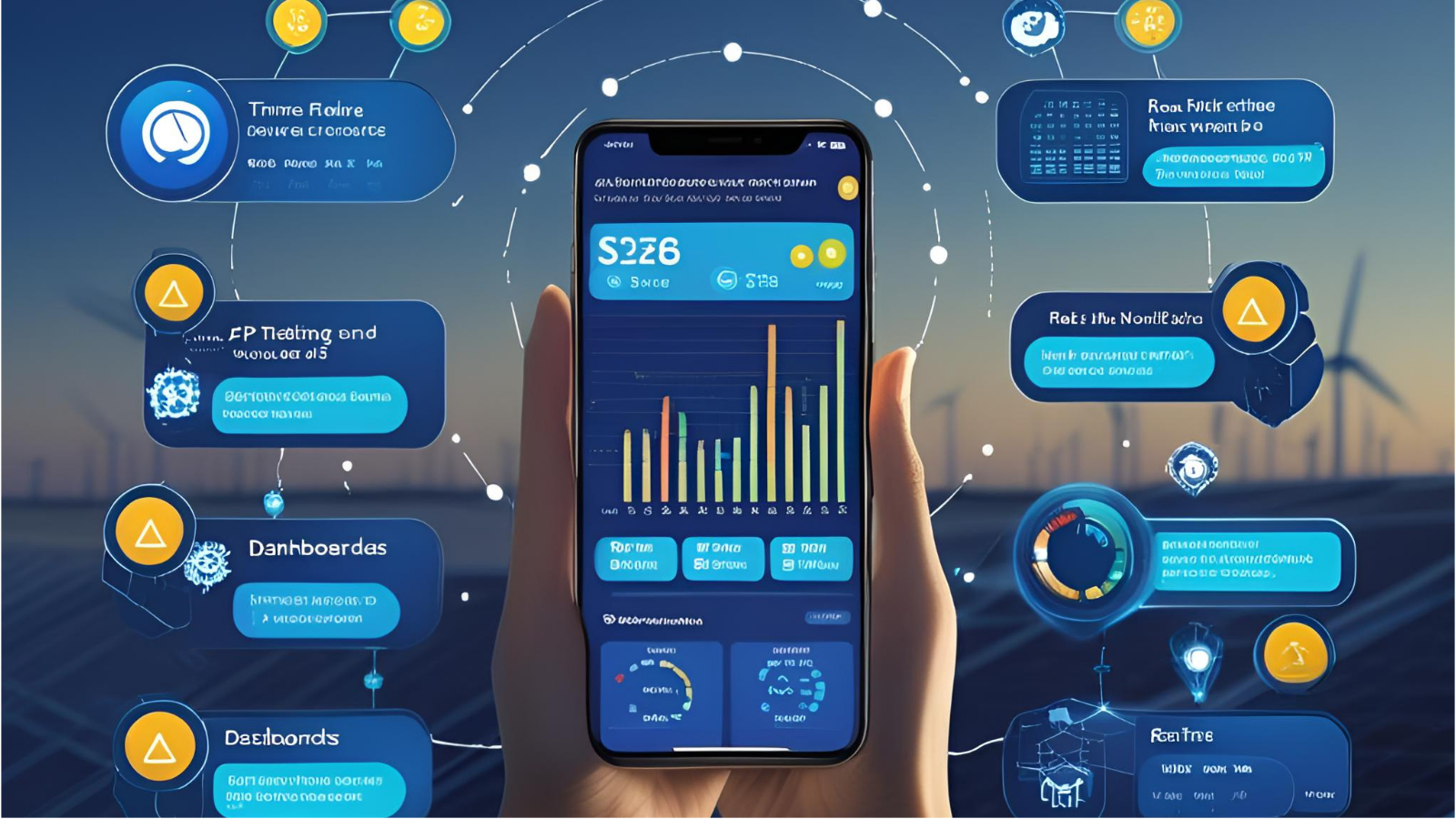
Modern decentralized energy ecosystems demand intuitive and robust mobile and web applications to facilitate efficient user interaction, transparent data visualization, and proactive system alerts. This paper analyzes AIPCHAIN’s development of critical application components including a peer-to-peer (P2P) trading interface, comprehensive energy dashboards, and dynamic notifications and alerts. These tools empower end-users with real-time information and control, fostering enhanced participation and optimization in energy markets.
1. Introduction
The proliferation of distributed energy resources (DERs) and blockchain-enabled trading platforms necessitates user-centric applications that simplify complex energy transactions and data analytics. AIPCHAIN’s mobile and web applications serve as the primary touchpoints for end-users, providing seamless access to energy trading, consumption metrics, and system alerts. Ensuring usability, security, and scalability is vital for widespread adoption and operational effectiveness.
2. Peer-to-Peer Trading Interface
The P2P trading interface facilitates direct energy transactions between prosumers and consumers, bypassing traditional intermediaries. Key features include:
- User-Friendly Design: Intuitive workflows supporting buying, selling, and bidding of energy units.
- Real-Time Market Data: Live price updates, order book visualization, and transaction history.
- Smart Contract Integration: Automated settlement and transparency ensured via blockchain smart contracts.
This interface is optimized for both mobile and web platforms to maximize accessibility and responsiveness (Chen et al., 2024).

3. Energy Dashboard
The energy dashboard consolidates diverse datasets to provide users with actionable insights, including:
- Consumption Data Visualization: Hourly, daily, and monthly energy usage charts.
- Dynamic Pricing Display: Real-time and forecasted electricity prices tailored to user location and tariff plans.
- Historical Transaction Logs: Comprehensive records of past trades and energy credits.
Interactive visual components and customizable widgets enhance user engagement and decision-making (Singh & Zhao, 2023).

4. Notifications and Alerts
Proactive notifications and alerts improve user awareness and operational efficiency by delivering timely messages related to:
- Consumption Thresholds: Warnings when energy use exceeds predefined limits.
- Price Volatility: Alerts on significant market price fluctuations affecting trade strategies.
- System Updates: Notifications on software upgrades, scheduled maintenance, or security advisories.
Multi-channel delivery options (push notifications, SMS, email) ensure critical information reaches users promptly (Martinez et al., 2023).
5. Application Architecture
| Component | Functionality |
|---|---|
| Blockchain Integration | Secure transaction processing via smart contracts |
| IoT Data Interface | Real-time ingestion of consumption and production data |
| Frontend Layer | Responsive UI/UX for mobile and web users |
6. Benefits and Future Work
The deployment of sophisticated mobile and web applications by AIPCHAIN yields multiple benefits:
- Enhanced user empowerment through transparent, real-time data access.
- Increased liquidity and efficiency in decentralized energy markets.
- Improved demand response and energy consumption optimization.
- Foundation for integrating AI-driven predictive analytics and personalized energy management tools.
Ongoing research focuses on incorporating machine learning for anomaly detection and adaptive user interfaces.
7. Conclusion
AIPCHAIN’s mobile and web applications represent a pivotal advancement in democratizing energy trading and consumption management. By combining a user-centric P2P trading platform, detailed energy dashboards, and intelligent notification systems, these tools facilitate active user participation, operational transparency, and system resilience in decentralized energy ecosystems.
References
- Chen, L., Wang, Y., & Liu, H. (2024). Design and Implementation of Mobile Interfaces for Peer-to-Peer Energy Trading. IEEE Transactions on Smart Grid.
- Singh, R., & Zhao, X. (2023). Visualization Techniques for Energy Consumption Dashboards. Journal of Renewable Energy Informatics.
- Martinez, J., Gomez, P., & Torres, F. (2023). Real-Time Notification Systems in Smart Energy Platforms. International Journal of Energy Research.