

Abstract
AIPCHAIN presents a robust and innovative framework to revolutionize the energy sector through blockchain and AI integration. The platform addresses key challenges in energy trading, distribution, forecasting, pricing, tokenization, contract automation, monitoring, environmental impact, access, and security. This paper elaborates on ten critical components of the AIPCHAIN solution, designed to empower consumers, enterprises, and communities with efficient, transparent, and sustainable energy management.
1. P2P Energy Trading Solution
AIPCHAIN enables peer-to-peer (P2P) energy trading, allowing individuals and businesses to buy and sell electricity directly without intermediaries. This solution eliminates reliance on third parties or traditional utilities, promoting decentralization and market democratization. Transactions are facilitated via token-based payments secured through smart contracts, ensuring trustless and automated settlements.

2. Decentralized Renewable Energy Distribution
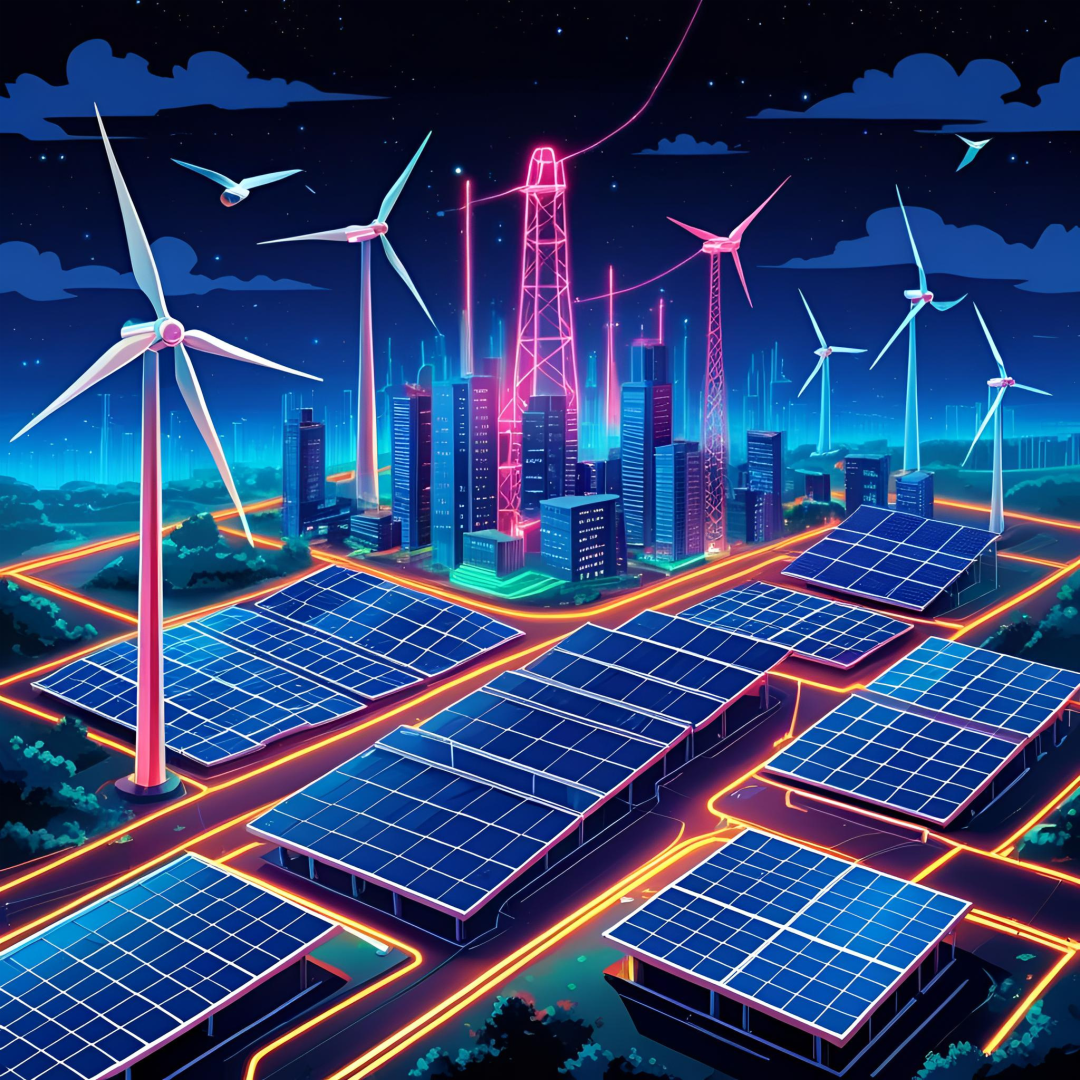
The platform supports the decentralized distribution of renewable energy sources such as solar, wind, and hydropower generated by households and enterprises. By integrating distributed energy resources, AIPCHAIN reduces stress on traditional grids and improves distribution efficiency. The system further empowers independent microgrids, enhancing energy resilience and local autonomy.
3. AI-Powered Energy Forecasting
Utilizing advanced Artificial Intelligence (AI) models, AIPCHAIN forecasts electricity demand by analyzing factors like time, weather, and historical usage patterns. Additionally, it predicts renewable energy output, such as solar generation, enabling users to optimize buying and selling strategies with improved precision and foresight.

4. Dynamic Pricing Mechanism
AIPCHAIN incorporates a real-time dynamic pricing model where electricity prices fluctuate based on supply and demand. AI algorithms compute and recommend optimal prices for buyers and sellers, fostering a competitive and transparent electricity market. This mechanism promotes efficient resource allocation and market equilibrium.
5. Tokenization of Energy
Energy units, e.g., 1 kWh, are digitized into blockchain-based tokens, simplifying energy transactions, storage, and reuse. Tokenization paves the way for integrating Decentralized Finance (DeFi) applications within the energy sector, unlocking new financial instruments and liquidity options.
6. Smart Contract Automation
Smart contracts automate the execution of energy purchase agreements. Payments and transactions occur automatically upon predefined conditions, reducing disputes and fraud risk. This automation accelerates transaction speeds and lowers operational costs, enhancing system efficiency.

7. Real-Time Monitoring & Transparency
AIPCHAIN provides real-time monitoring of energy consumption, production, and trading activities. All data is securely stored on the blockchain, allowing users to view live operations through an intuitive dashboard. This transparency builds trust and accountability across the ecosystem.
8. Carbon Credit & ESG Integration
The platform facilitates the calculation and trading of carbon credits, rewarding users with tokens or certificates for producing or consuming clean energy. Enterprises can track Environmental, Social, and Governance (ESG) metrics, positioning AIPCHAIN as a key player in the global carbon credit market.
9. Energy Access in Remote Areas
AIPCHAIN extends electricity access to remote and underserved regions by leveraging blockchain-enabled microgrids. These self-sufficient communities gain reliable power without dependence on national grids, promoting energy equity and sustainability.
10. Fraud Prevention & Security
To ensure system integrity, AIPCHAIN employs AI-driven anomaly detection to identify irregularities in transactions and consumption. Blockchain guarantees data immutability, while multi-factor authentication and robust encryption secure user identities and data privacy, mitigating fraud and cyber threats.
Conclusion
AIPCHAIN’s multi-faceted approach addresses the evolving needs of decentralized energy ecosystems by integrating blockchain, AI, and innovative economic models. The platform’s ten core solutions collectively promote sustainable energy use, market efficiency, transparency, and security, making AIPCHAIN a pioneering force in the future of energy management.