
Abstract
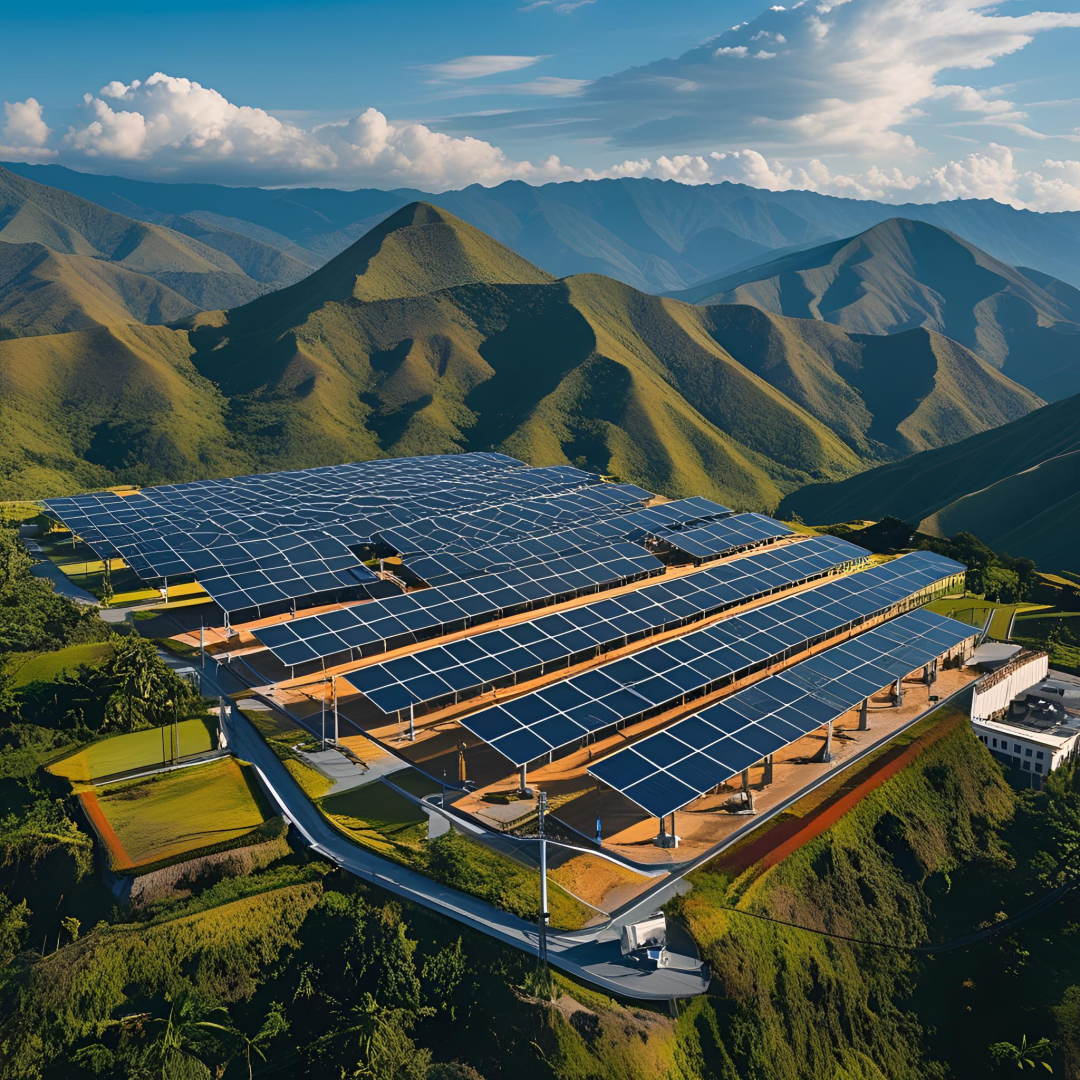
In its ongoing commitment to decentralized and sustainable energy access, AIPCHAIN has announced its strategic initiative to develop a nationwide network of microgrids in Colombia by 2026. Leveraging AI, blockchain technology, and community-based energy governance, this plan aims to address both energy inequality and infrastructure fragility across Colombia’s diverse geography—particularly in remote and underserved regions.
1. Introduction
Despite Colombia’s rich natural resources and advancements in clean energy, millions of people—especially in mountainous, Amazonian, and post-conflict rural areas—remain energy-insecure. Centralized grid expansion has been slow and economically unfeasible in many of these regions. AIPCHAIN offers a new pathway: integrating community-managed microgrids with blockchain-based energy trading and AI-powered optimization.
2. Project Scope and Vision
- Deploying 120+ modular microgrids across 15 departments by 2026
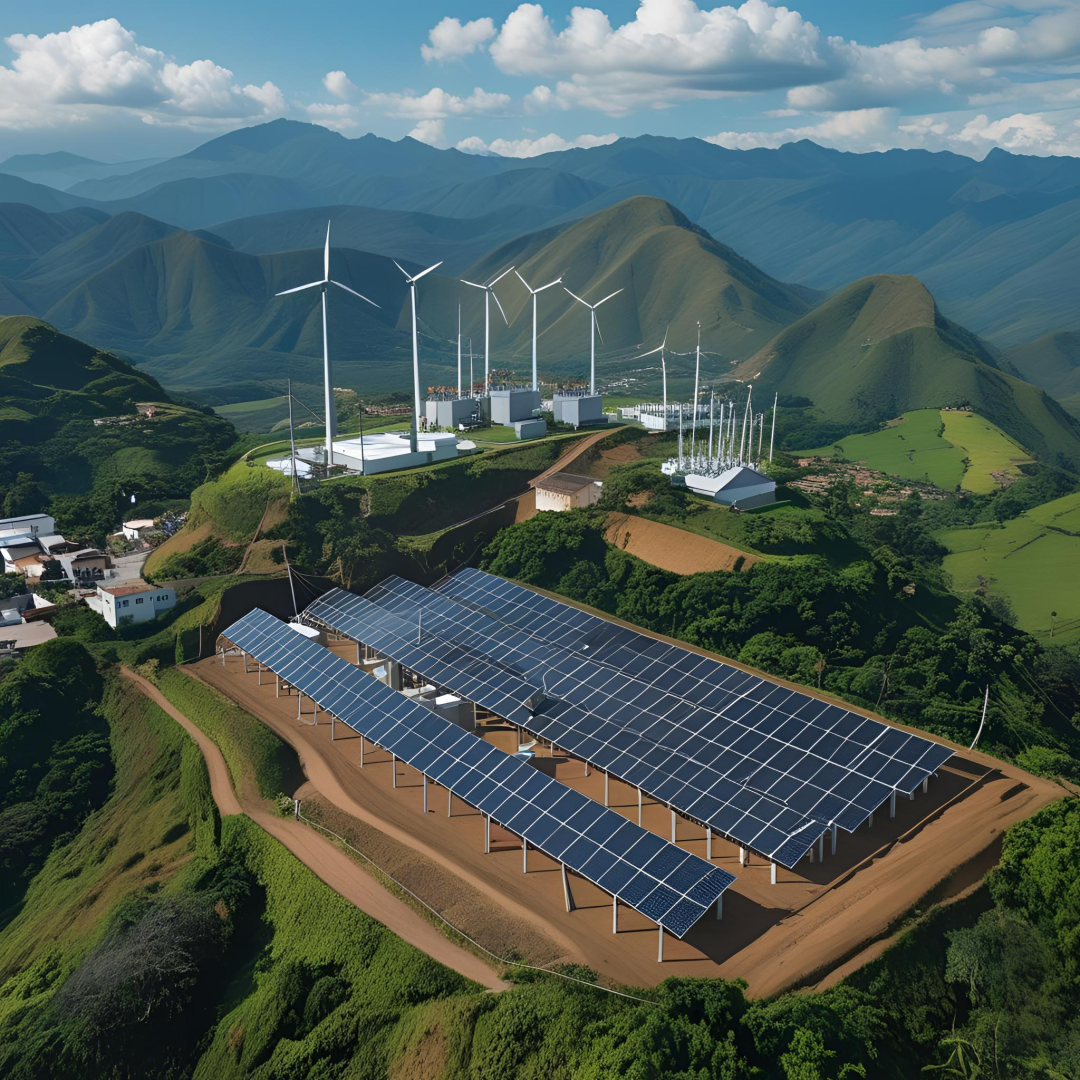
- Integrating solar, hydro, and biomass energy sources
- Enabling peer-to-peer (P2P) energy trading with energy tokens
- Providing real-time monitoring and transparency through blockchain
- Creating local energy DAOs for democratic energy governance
3. Why Colombia?
Colombia offers an ideal testing ground due to:
- High solar irradiation in regions like Orinoquía and La Guajira
- Off-grid communities in Amazon and Andes areas
- Government incentives via Law 1715 supporting decentralized renewables
- Digital adoption among rural users using mobile-based services
4. Technological Architecture
| Component | Functionality |
|---|---|
| Smart Contracts | Automate energy trading, billing, and access rules |
| AI Forecast Engine | Predict energy generation and consumption |
| Blockchain Ledger | Secure, verifiable energy transactions and credits |
| Tokenization Layer | Convert energy units into tradable tokens |
| Mobile/Web Interface | Enable users to monitor, trade, and participate in governance |
5. Pilot Locations (Phase 1 - 2025)
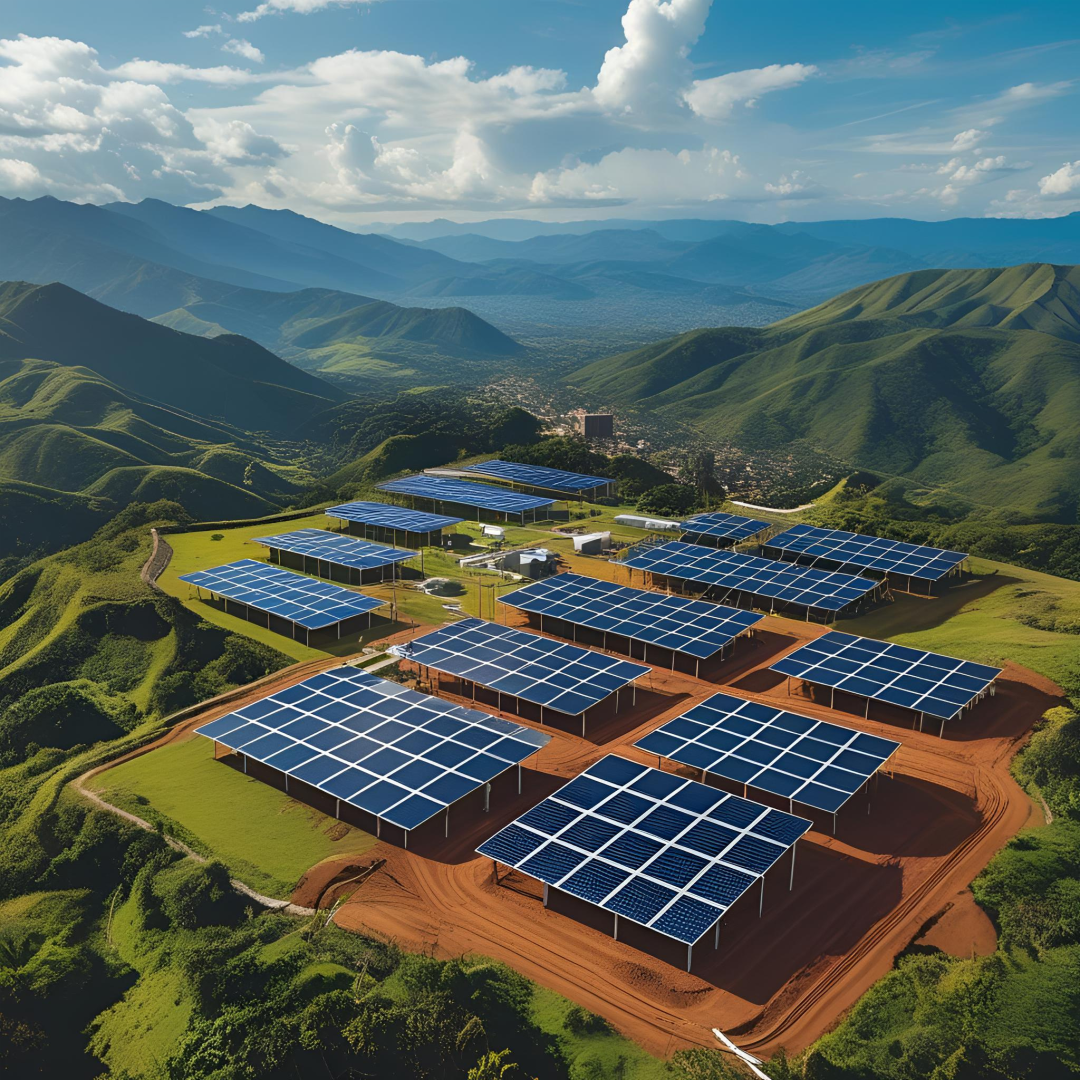
- Guainía: Solar microgrids for remote river communities
- Cauca & Nariño: Hydro-supported grids in mountainous areas
- La Guajira: Desert communities with solar-only microgrids
6. Community Governance via Energy DAOs
Each microgrid will be governed by a local Energy DAO:
- Voting mechanisms for tariff setting and upgrades
- Token rewards for clean energy producers
- Conflict resolution via smart contract logic
7. Challenges and Strategic Mitigation
| Challenge | Mitigation Strategy |
|---|---|
| Low digital literacy | Mobile-first UI + training by NGOs |
| Interoperability | Use of modular, isolated grids with optional links |
| Legal uncertainty | Aligned with Law 1715 and national energy roadmap |
| Token price volatility | Use of fiat-pegged energy stablecoins |
8. Strategic Impact
- Electricity access for over 300,000 Colombians by 2026
- Lower emissions by displacing diesel use
- Model for Latin America's decentralized energy future
- Supports Colombia’s Just Energy Transition Strategy & UN SDGs
Conclusion
AIPCHAIN’s microgrid deployment in Colombia stands as a bold step toward equitable, resilient, and decentralized energy access. With a foundation of blockchain, AI, and local governance, the model is positioned to reshape how communities interact with and control their energy future—not just in Colombia, but across emerging markets globally.
References
- Colombia Law 1715 on Renewable Energy, Ministry of Mines and Energy
- UN Sustainable Development Goals (SDG 7, SDG 13)
- AIPCHAIN Technical Whitepaper, 2025 Edition
- Latin America Renewable Energy Market Overview – IRENA, 2024
- Colombia Just Energy Transition Strategy, National Planning Department (DNP)