
Abstract
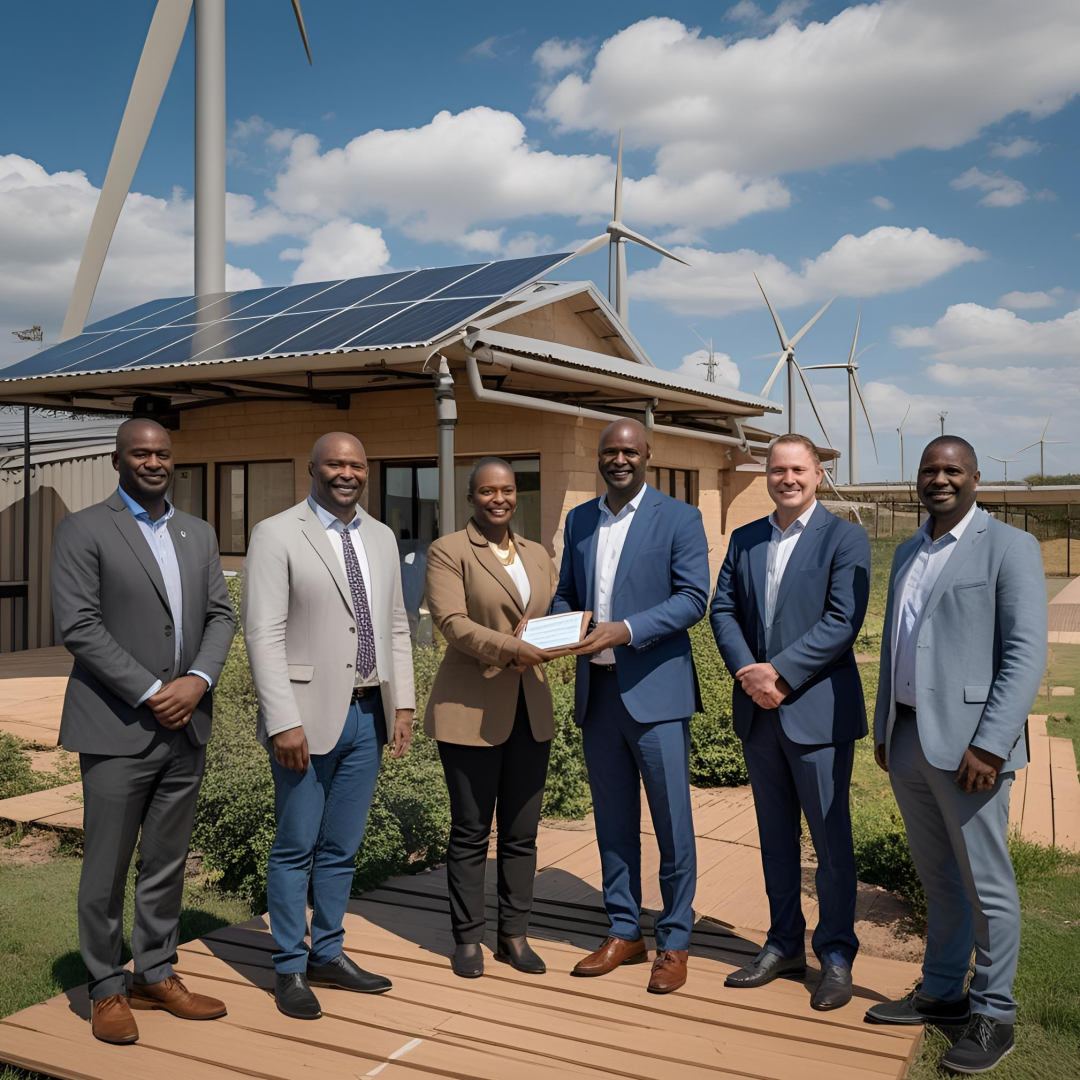
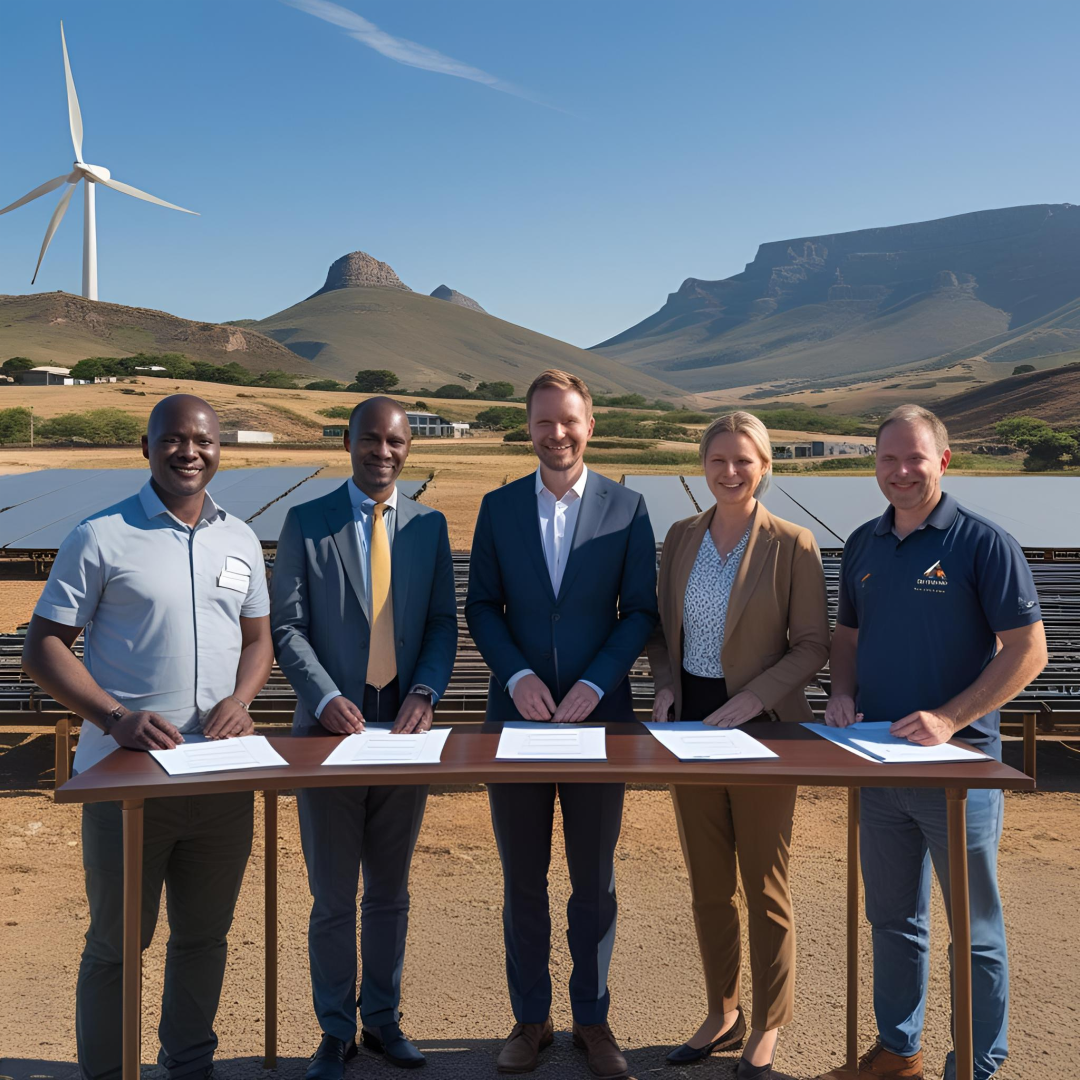
In a significant step toward a decentralized energy economy in the Global South, AIPCHAIN has finalized its first community-level partnership in South Africa. The agreement centers around deploying blockchain and AI-based energy infrastructure in a self-sustaining solar-powered community located in the Eastern Cape region. This marks a tangible milestone in proving that energy autonomy, transparency, and decentralized trading are achievable in underserved areas.
1. Introduction
Energy access in South Africa is uneven, particularly in rural and peri-urban areas where communities often rely on diesel generators, limited grid connections, or informal energy markets. While the country has abundant solar potential, the lack of infrastructure and financing mechanisms has hindered broad deployment of renewable energy in marginalized communities.
AIPCHAIN addresses this gap through its decentralized energy trading platform, integrating blockchain for trustless transactions and AI algorithms for forecasting and market optimization.
2. Location and Community Profile
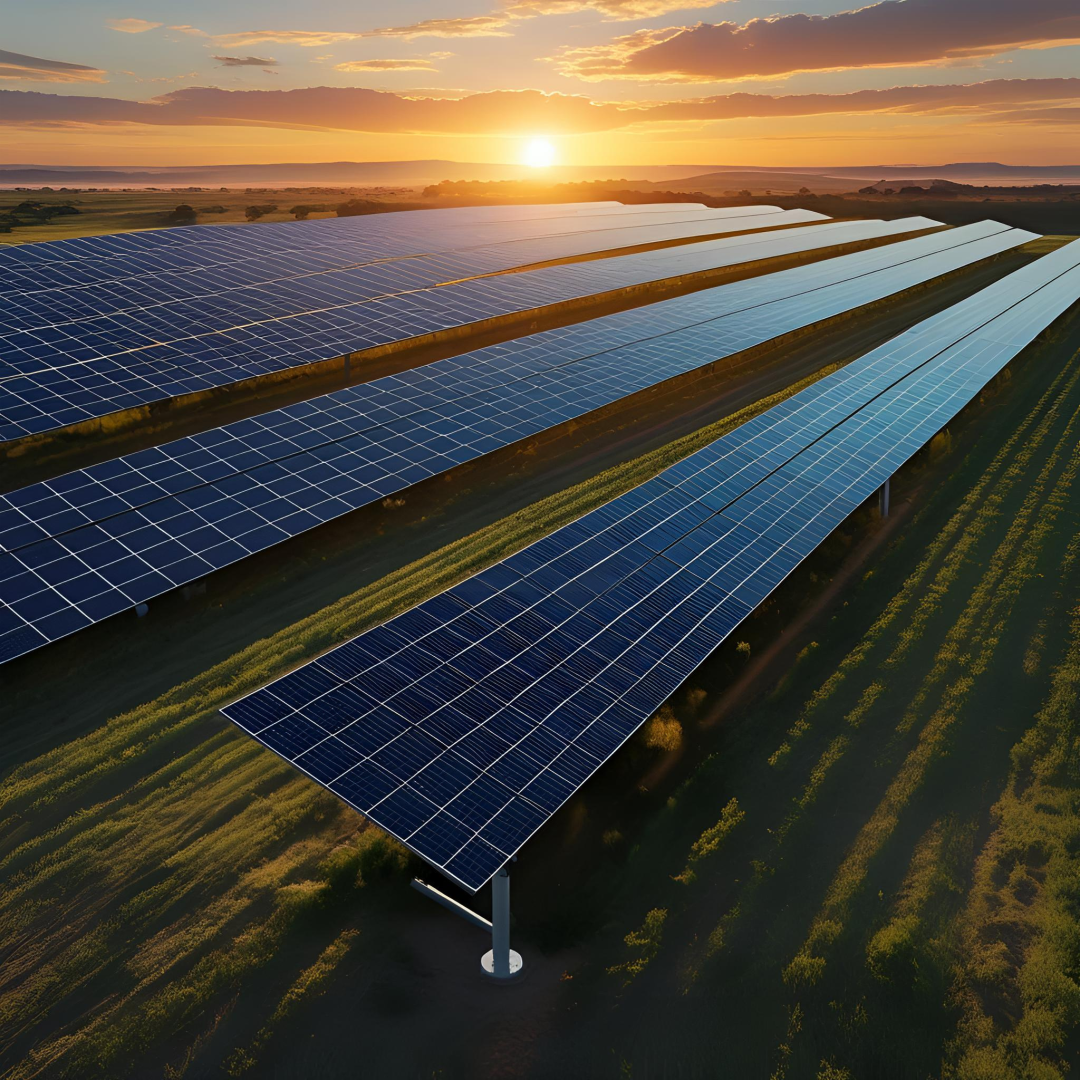
The pilot will take place in a solar village near Makhanda (formerly Grahamstown), home to approximately 1,200 residents. The community has already invested in a microgrid but faces challenges in energy distribution, management, and sustainable pricing models.
- Installed capacity: 85 kW solar generation
- Storage: 400 kWh lithium-based battery system
- Grid status: Isolated microgrid with occasional diesel backup
3. Objectives of the Partnership
- Enable peer-to-peer (P2P) energy trading between households
- Tokenize energy production and usage using AIPCHAIN’s blockchain layer
- Deploy real-time monitoring dashboards for community transparency
- Utilize AI-powered forecasting models to balance supply and demand
- Facilitate carbon credit tracking and ESG reporting for external markets
4. Technological Integration
| Component | Functionality |
|---|---|
| Smart Meters | Record real-time energy flow and user profiles |
| Blockchain Ledger | Immutable energy transaction records |
| Smart Contracts | Automate payment and settlement of energy trades |
| AI Forecasting Engine | Predict daily consumption and solar generation patterns |
| Token Wallets | Store and transact energy-backed tokens |
| ESG Dashboard | Real-time environmental impact tracking |
5. Benefits to the Community
- Autonomy: Control over energy production, pricing, and usage
- Transparency: Verifiable on-chain trades reduce disputes
- Financial Inclusion: Use of mobile wallets without bank accounts
- Environmental Gains: Reduced reliance on fossil fuels
- Revenue Generation: Sell excess energy to nearby regions
6. Governance & Community Involvement
The agreement includes the formation of a local Energy DAO (Decentralized Autonomous Organization), where residents vote on policies such as:
- Energy pricing brackets
- Token incentive structures
- Allocation of maintenance funds
- Revenue distribution models
7. Challenges and Mitigation
| Challenge | Mitigation Strategy |
|---|---|
| Low digital literacy | In-person training and mobile-first UX |
| Regulatory uncertainty | Collaboration with NERSA and local authorities |
| Token price volatility | Pegging transactions to fiat or stablecoins |
| Hardware reliability | Use of durable and serviceable equipment |
8. Strategic Significance
This partnership is a proof-of-concept for scaling AIPCHAIN across South Africa and the broader Southern African Development Community (SADC). It aligns with global energy access targets and showcases how decentralized infrastructure can deliver inclusive growth.
Conclusion
The first partnership between AIPCHAIN and a self-sustaining energy community in South Africa demonstrates a path forward for decentralized, equitable, and intelligent energy systems. By combining blockchain, AI, and community governance, AIPCHAIN is building a replicable model for the future of energy in the Global South.
References
- South Africa National Energy Regulator (NERSA)
- Eastern Cape Renewable Energy Data, 2024
- UN Sustainable Development Goals (SDG 7)
- AIPCHAIN Technical Whitepaper (2025)
- IRENA Africa Energy Outlook Reports