
Abstract
In a landmark development for the decentralized energy ecosystem in Africa, AIPCHAIN has initiated the first peer-to-peer (P2P) energy trading system based on blockchain technology in Nigeria. This pilot project marks a critical turning point in enabling communities to directly exchange clean electricity using tokenized transactions and smart contracts—without the need for centralized utility companies. This paper outlines the technological, regulatory, and social implications of this historic deployment.
1. Introduction
Despite Nigeria’s position as Africa’s largest economy, a significant portion of its population—particularly in peri-urban and rural areas—lacks reliable electricity access. Many rely on diesel generators, which are expensive, environmentally harmful, and unsustainable.
AIPCHAIN’s blockchain-based P2P model introduces a paradigm shift by allowing prosumers (producers-consumers) to sell excess solar or other renewable energy directly to neighbors using smart contracts, energy tokens, and a decentralized governance framework.
2. Project Location and Significance
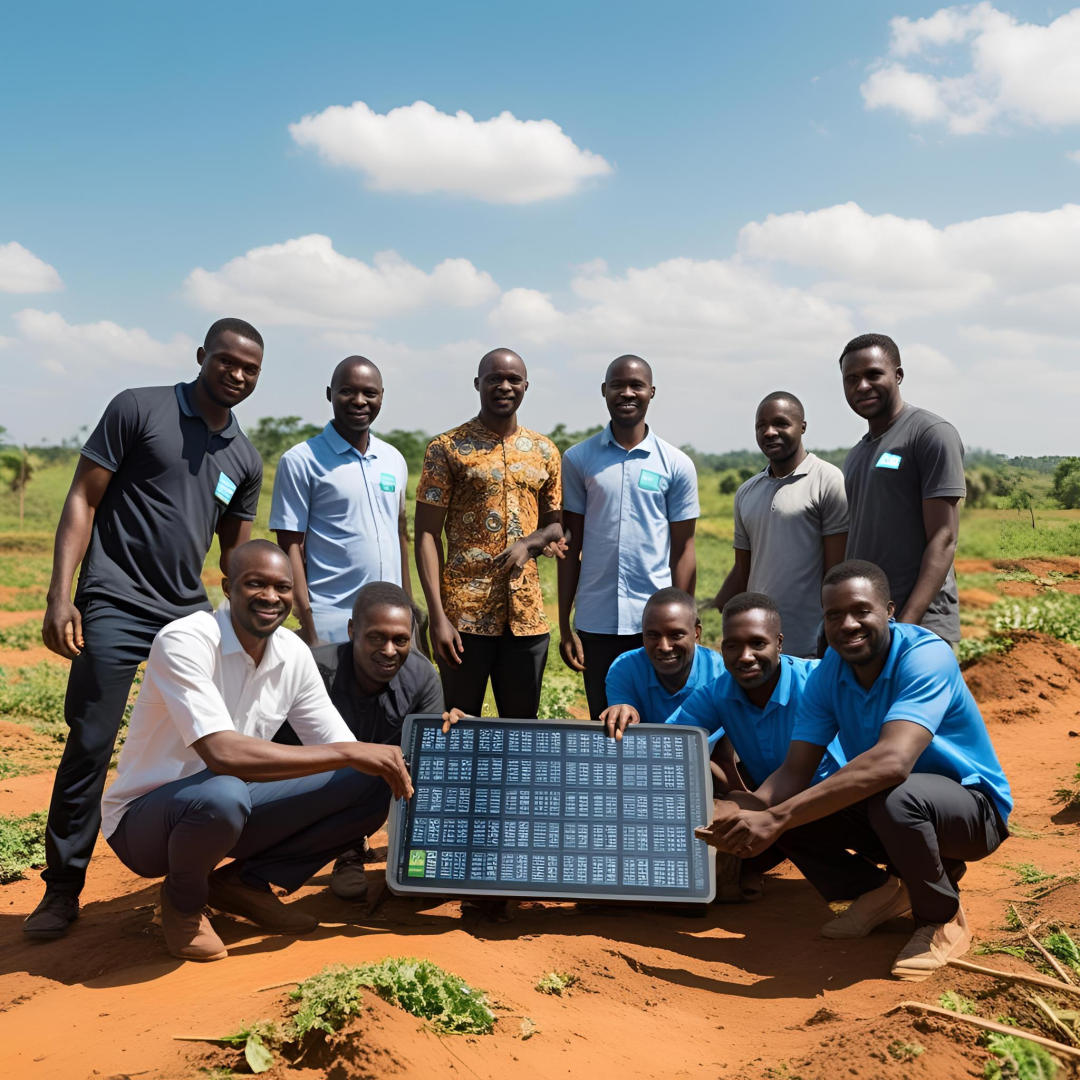
The pilot is being deployed in Ogun State, specifically in communities outside Abeokuta, where electricity access is unreliable and solar adoption is growing. The region is ideal due to:
- Moderate population density with micro-enterprises
- Existing off-grid solar panel installations
- Community willingness to adopt alternative, tech-enabled solutions
- Support from local NGOs and clean energy cooperatives

3. Technical Architecture
| Component | Description |
|---|---|
| Blockchain Ledger | Tracks all transactions securely and transparently |
| Smart Contracts | Automate energy sales and payments based on supply-demand logic |
| Energy Token (E-TKN) | 1 token = 1 kWh of energy, tradable and traceable |
| Mobile P2P App | Interface for energy buyers and sellers in local language |
| Edge IoT Gateways | Monitor real-time energy flows from solar panels and consumption devices |
4. Community and Economic Impact
- Empowering local solar producers to monetize excess energy
- Reducing reliance on diesel generators and national grid outages
- Boosting household income through tokenized energy sales
- Creating local energy markets driven by fair pricing and transparency
Initial feedback from users in the pilot community has been positive, particularly regarding price fairness, app usability, and the ability to track consumption in real-time.
5. Governance and Security Layer
To ensure system integrity and user trust, AIPCHAIN incorporates:
- Multi-layer authentication (biometrics + mobile PIN)
- Zero-Knowledge Proofs (ZKP) for user privacy
- Community energy DAO for dispute resolution and governance voting

6. Challenges and Mitigation Strategy
| Challenge | Mitigation Approach |
|---|---|
| Digital literacy gaps | App designed in Pidgin English & Yoruba with visual cues |
| Intermittent mobile coverage | Offline-first design with sync when connectivity resumes |
| Regulatory uncertainties | Engagement with Nigeria Energy Regulatory Commission (NERC) |
| Token volatility concerns | Pegging token value to naira or stablecoin during pilot |
7. Strategic Alignment
- Nigeria’s National Electrification Project (NEP)
- UN SDG 7: Affordable and Clean Energy
- Climate goals under the Nigeria Energy Transition Plan (ETP)
- Regional adoption of blockchain-for-good use cases
Conclusion
With this deployment in Nigeria, AIPCHAIN demonstrates the viability and scalability of decentralized, tokenized energy markets in emerging economies. By combining clean energy, community trust, and next-gen digital infrastructure, the project paves the way for inclusive and resilient energy ecosystems across the Global South.
References
- Nigeria Energy Transition Plan, 2022
- National Electrification Project (NEP) Reports, REA Nigeria
- AIPCHAIN Whitepaper, 2025 Edition
- UN Sustainable Development Goals: SDG 7, SDG 13
- CleanEnergyNG, Ogun Solar Cooperative Briefs, 2024