

Introduction
In the rapidly evolving domain of decentralized energy systems, the convergence of blockchain technology and artificial intelligence (AI) is driving a transformative paradigm shift. AIPCHAIN, a cutting-edge decentralized energy platform, utilizes smart contracts to automate and secure peer-to-peer (P2P) energy transactions while integrating AI to optimize decision-making and predictive analytics across its distributed energy network.
1. Smart Contracts in the AIPCHAIN Ecosystem
Blockchain as the Foundation for Transparency and Security in Energy Tracking
A smart contract is an on-chain, deterministic script executed within a blockchain virtual machine (e.g., Ethereum Virtual Machine - EVM) that automatically enforces predefined conditions without intermediaries. Within the AIPCHAIN protocol, smart contracts function as autonomous agents responsible for:
- Executing energy purchase and sale agreements denominated in the native AIP token
- Implementing dynamic pricing algorithms driven by real-time supply and demand metrics
- Verifying kilowatt-hour (kWh) consumption data streams through IoT-integrated energy oracles
- Enabling instant settlement finality through decentralized consensus mechanisms
- Ensuring immutability, traceability, and non-repudiation of energy transactions
This architecture enhances trustlessness, automation, and transparency, effectively addressing inefficiencies inherent in legacy centralized energy systems.

2. Technical Implementation Layers
Multi-Layered Infrastructure for Scalable and Secure Energy Transactions
AIPCHAIN’s smart contract framework is composed of the following layers:
-
EVM-Compatible Layer 1 or Layer 2 Chain
Deployed on a scalable blockchain optimized for high-throughput microtransactions, leveraging cutting-edge scalability solutions such as Optimistic Rollups or Zero-Knowledge (ZK) Rollups to maximize settlement efficiency and minimize latency. -
AI-Augmented Energy Oracles
External data feeds from smart meters and IoT devices are processed via machine learning models and transmitted through secure decentralized oracle networks (e.g., Chainlink, UMA) to ensure accurate, real-time telemetry data input into smart contracts. -
Smart Contract Templates for Energy P2P Decentralized Exchange (DEX)
Standardized and modular contract templates govern multi-party energy trades. Features include escrow services, penalty enforcement, and automated dispute resolution facilitated by AI-powered anomaly detection algorithms. -
Tokenomics & Automated Market Making (AMM)
Smart contracts interface with on-chain liquidity pools using AMM protocols (e.g., the constant product formula) to enable dynamic and fair energy pricing using the AIP token. -
Compliance & Identity Verification Layer (KYC/AML)
Integrated with advanced zero-knowledge proofs and soulbound tokens (SBTs) to verify user identities and compliance without compromising privacy, ensuring regulatory readiness for global markets.
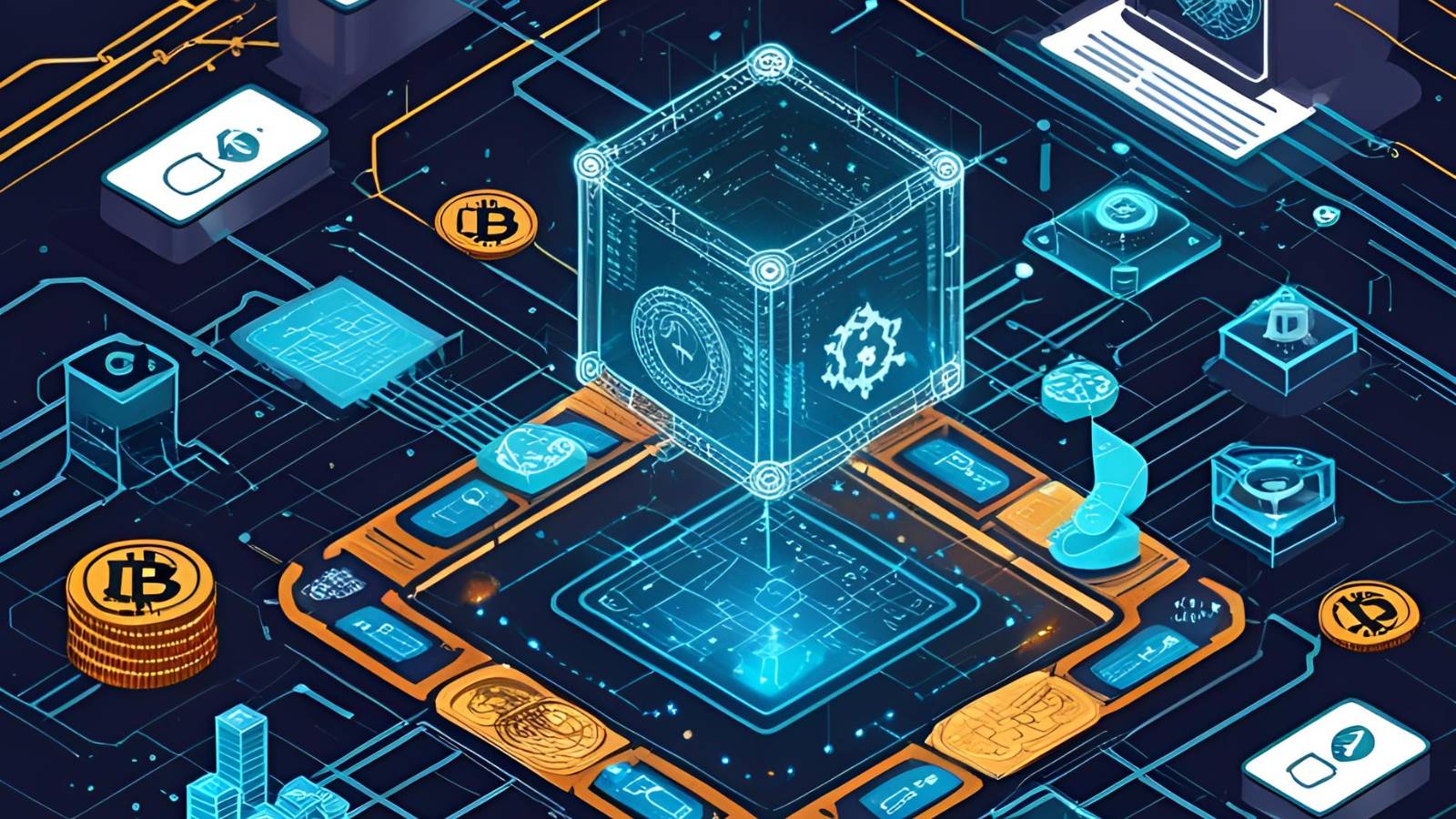
3. The AIP Token: Core Utility and Incentive Mechanism
Powering Smart Contract Execution and Network Governance
The AIP token serves as a multifunctional utility asset within the ecosystem, facilitating:
- Payment of transaction fees for energy settlements
- Collateralization and staking by service providers such as energy nodes and validators
- Governance participation, including voting on smart contract upgrades and protocol parameters
- Reward distribution mechanisms incentivizing green energy production, governed by AI-driven sustainability metrics
Smart contracts autonomously manage token vesting schedules, revenue sharing, and reputation scoring, aligning incentives among producers, consumers, and network operators to foster a resilient and equitable energy marketplace.
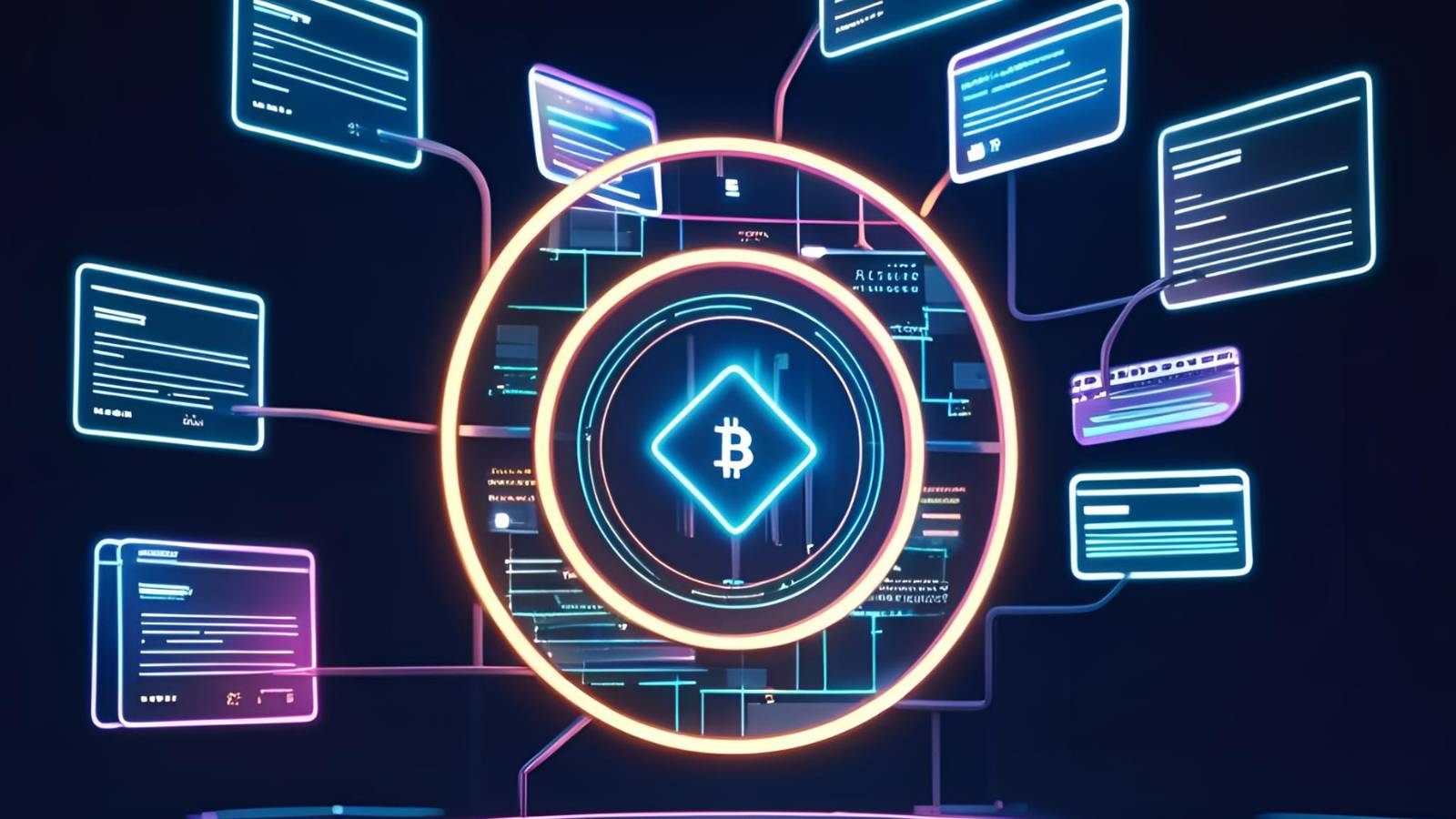
4. AI-Driven Autonomous Contract Intelligence
Enhancing Smart Contract Capabilities with Advanced Machine Learning
AI integration elevates the AIPCHAIN platform by enabling:
- Predictive analytics for accurate energy demand forecasting using deep learning LSTM (Long Short-Term Memory) networks
- Real-time dynamic pricing models adjusted according to consumption patterns and grid conditions
- Reinforcement learning agents optimizing distributed energy storage and load balancing
- Sophisticated fraud detection algorithms identifying and mitigating anomalous trading behaviors
- Autonomous smart contract activation enabling responsive grid management aligned with supply-demand fluctuations
This symbiotic AI + blockchain model creates a self-adaptive, data-driven, and resilient decentralized energy system capable of responding dynamically to market and grid conditions.
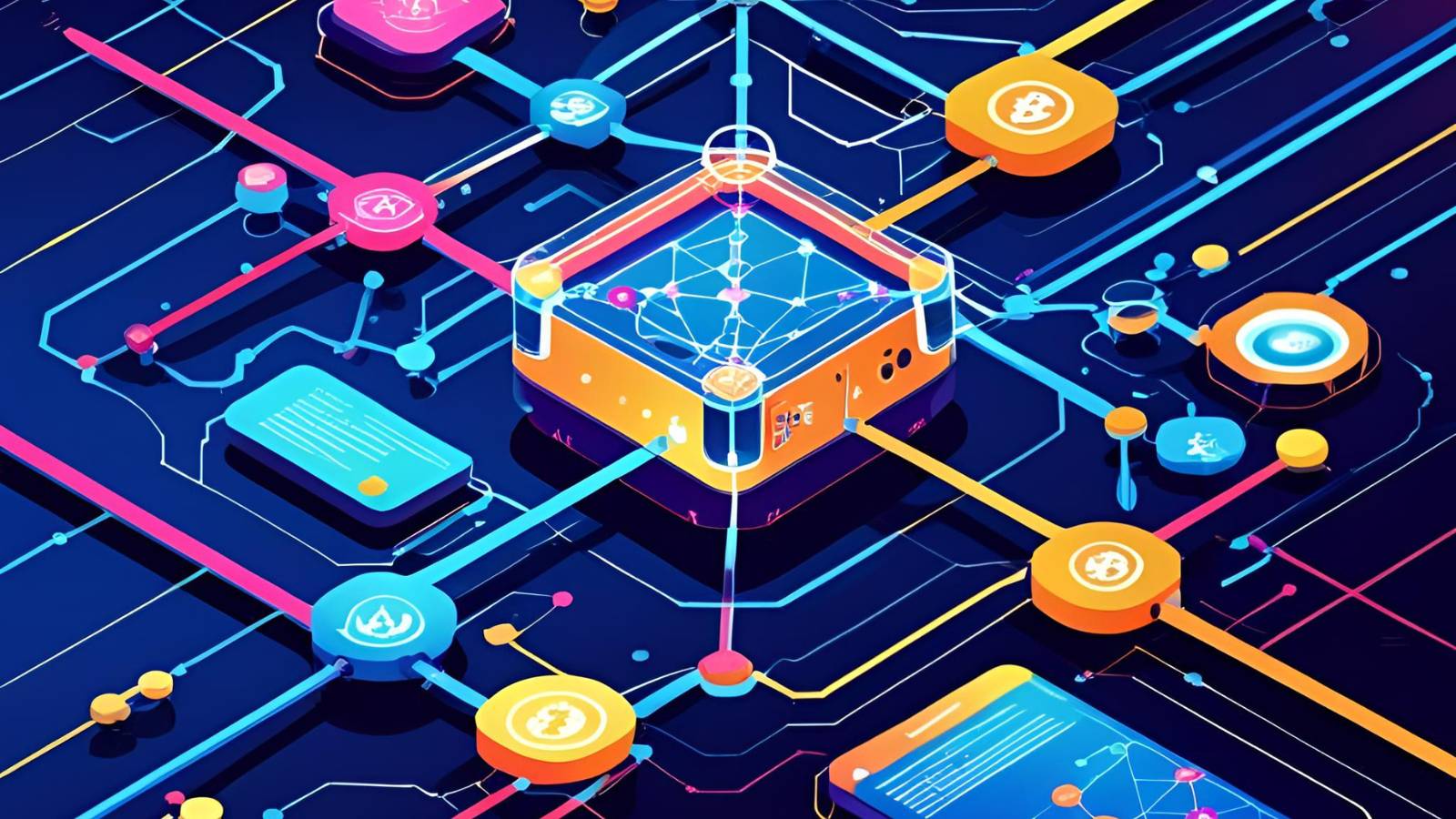
5. AIPCHAIN: Driving the Future of Decentralized Clean Energy
Democratizing Energy Access through Autonomous Market Coordination
AIPCHAIN positions smart contracts as autonomous market coordinators within a decentralized energy internet. By replacing institutional trust with trust in code, and augmenting logic with AI-powered inference, AIPCHAIN aims to democratize access to clean, renewable energy while scaling operational efficiency on a global scale.