
Abstract
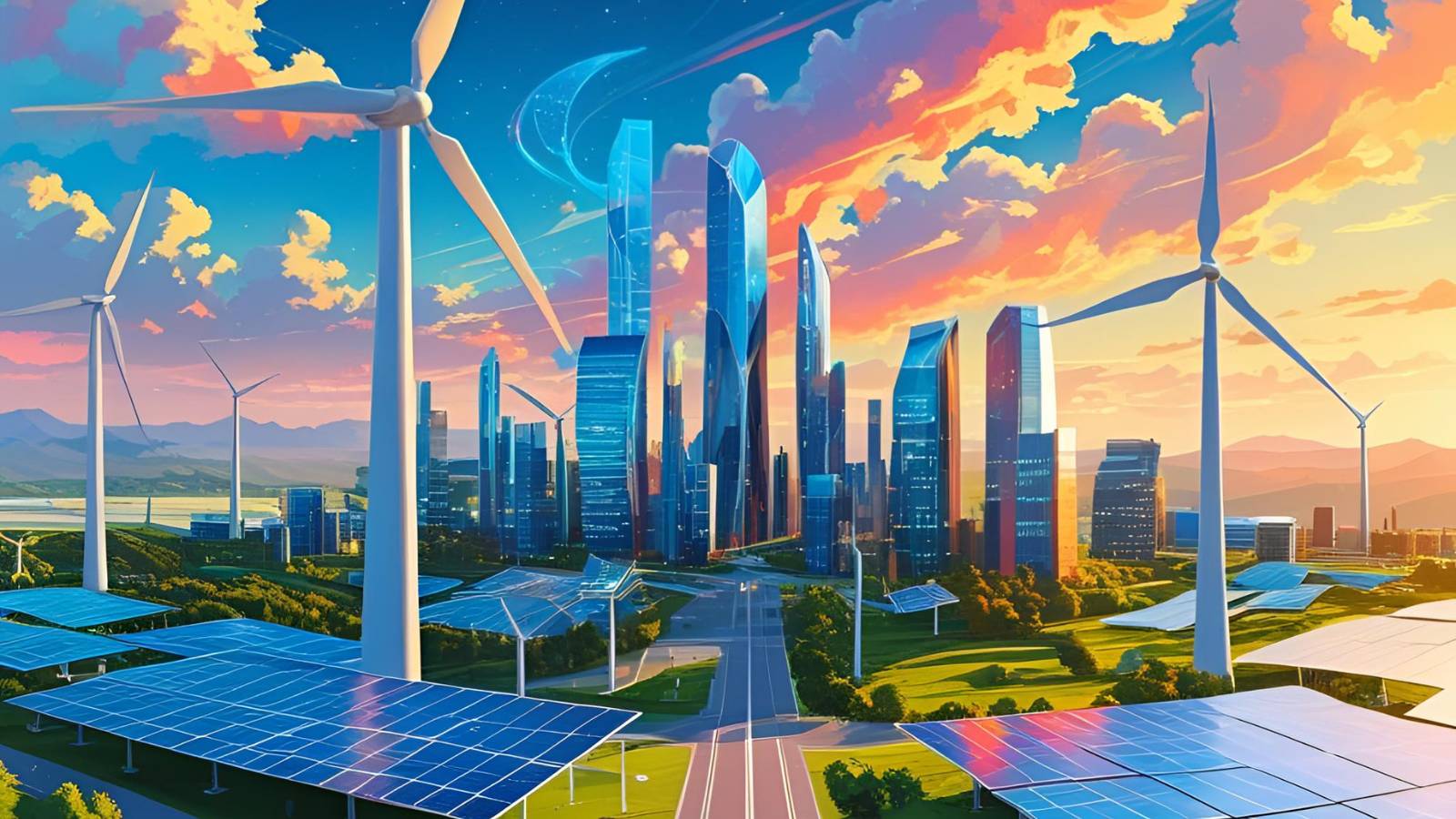
The energy sector is experiencing an unprecedented transformation characterized by the decentralization of energy systems, driven by the surge in renewable energy adoption and the imperative for enhanced energy efficiency. AIPCHAIN, an innovative energy technology enterprise, is at the forefront of this evolution, leveraging the synergistic integration of Artificial Intelligence (AI) and Blockchain technologies. This paper examines AIPCHAIN’s strategic role in fostering a decentralized energy ecosystem through secure, transparent peer-to-peer (P2P) energy trading and intelligent energy management solutions. We analyze how AIPCHAIN’s AI-enabled blockchain platform is reshaping traditional energy paradigms to promote sustainability, operational efficiency, and consumer empowerment.
1. Introduction: The Decentralization of Energy Systems
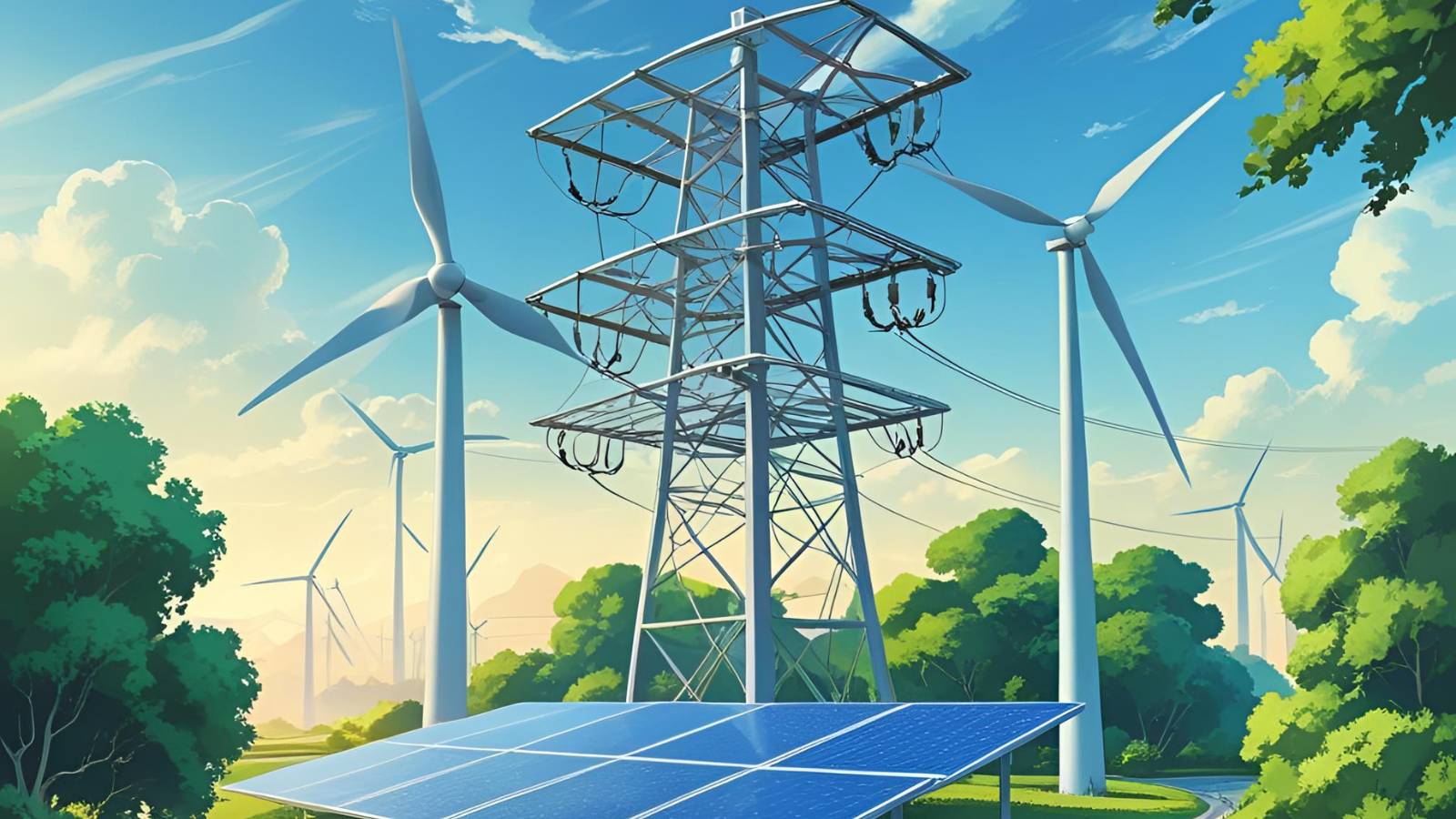
Historically, energy generation and distribution have been centralized activities managed by large utility conglomerates. However, the rise of renewable energy technologies such as solar photovoltaic and wind power, coupled with the growing demand for energy efficiency, necessitates a paradigm shift towards distributed energy networks (DENs). These networks facilitate localized production, storage, and consumption of energy, thereby reducing transmission losses, enhancing grid reliability, and lowering operational costs.
AIPCHAIN is pioneering this transition by developing a decentralized energy platform that integrates AI with blockchain technology. This convergence enables a secure, transparent, and automated environment for energy producers, consumers, and investors to interact directly within a peer-to-peer framework.
2. AI and Blockchain: Enabling Next-Generation Energy Optimization
2.1 Blockchain: Securing Transparency and Trust
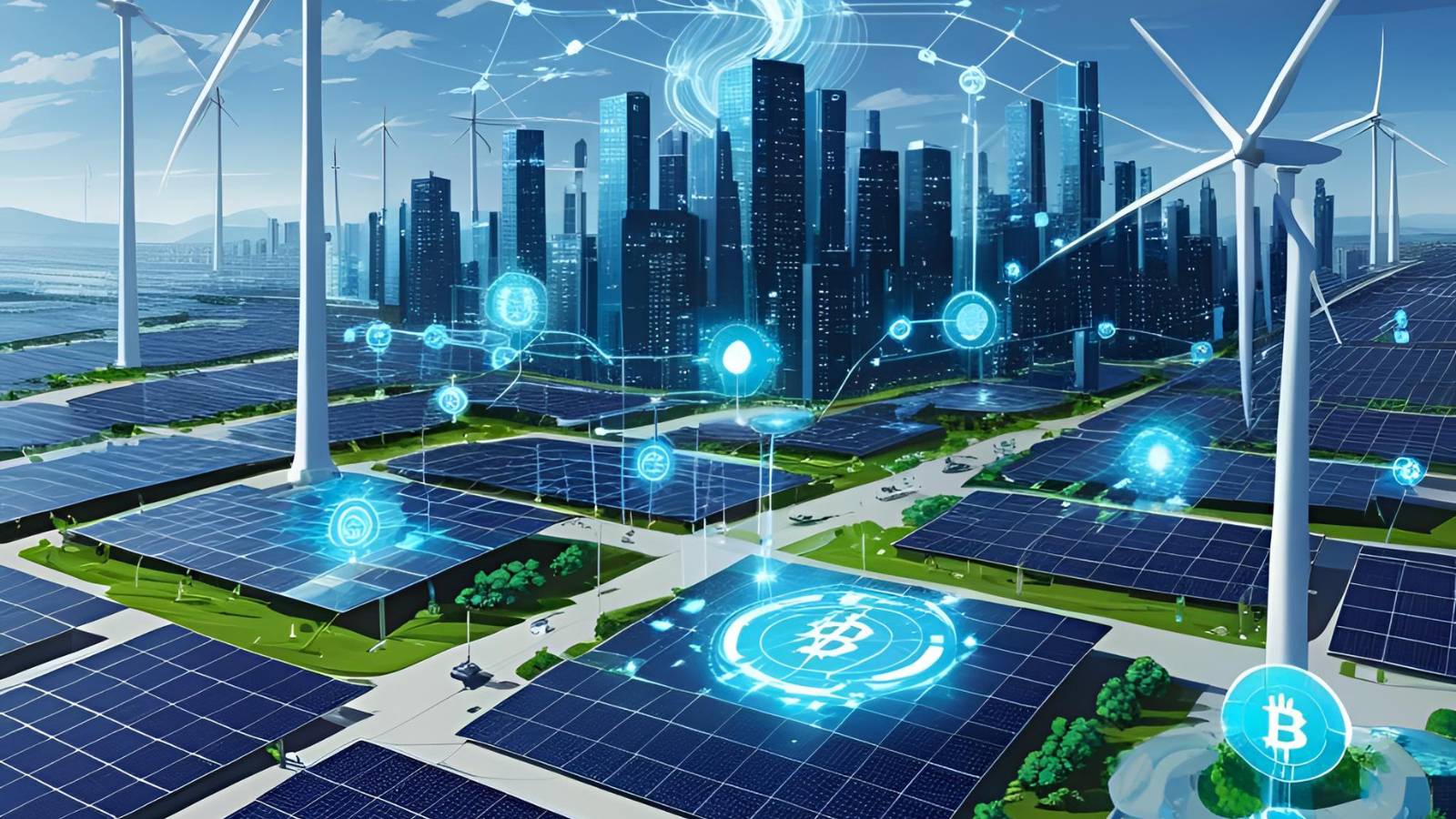
Blockchain technology, as a decentralized distributed ledger, offers immutable recording of transactions, thereby ensuring transparency and security in energy trading. By eliminating intermediaries, blockchain reduces transaction costs and facilitates real-time, trustless settlements through the deployment of smart contracts—self-executing agreements that autonomously enforce predefined conditions.
AIPCHAIN’s blockchain platform ensures that all energy exchanges are verifiable and tamper-proof, thereby instilling confidence among stakeholders and enabling seamless peer-to-peer trading.
Key Advantages of Blockchain in AIPCHAIN’s Platform:
- Immutability and Transparency: All transactions are permanently recorded on a public ledger.
- Reduced Transaction Costs: Removal of intermediaries lowers fees and complexity.
- Automation through Smart Contracts: Contracts execute automatically upon condition fulfillment.
- Decentralized P2P Trading: Enables direct energy exchanges without centralized control.
2.2 Artificial Intelligence: Enhancing Efficiency and Predictive Capabilities
While blockchain secures transactional integrity, AI optimizes the operational facets of energy management. AIPCHAIN employs advanced machine learning algorithms to analyze multifaceted data streams—from renewable generation variability and consumption patterns to environmental influences—enabling intelligent decision-making in real time.
AI-driven functionalities include:
- Demand Response Management: Predictive modeling anticipates demand fluctuations, optimizing load distribution to mitigate grid stress during peak periods.
- Energy Storage Optimization: AI algorithms forecast optimal charge and discharge cycles for battery storage, maximizing renewable energy utilization and minimizing reliance on fossil fuels.
- Predictive Analytics: Historical and real-time data inform generation scheduling and consumption forecasting, enhancing system responsiveness and efficiency.
The integration of AI and blockchain within AIPCHAIN creates a dynamic feedback mechanism, continuously refining energy flows and reducing systemic inefficiencies.
3. Empowering Stakeholders in a Decentralized Energy Economy
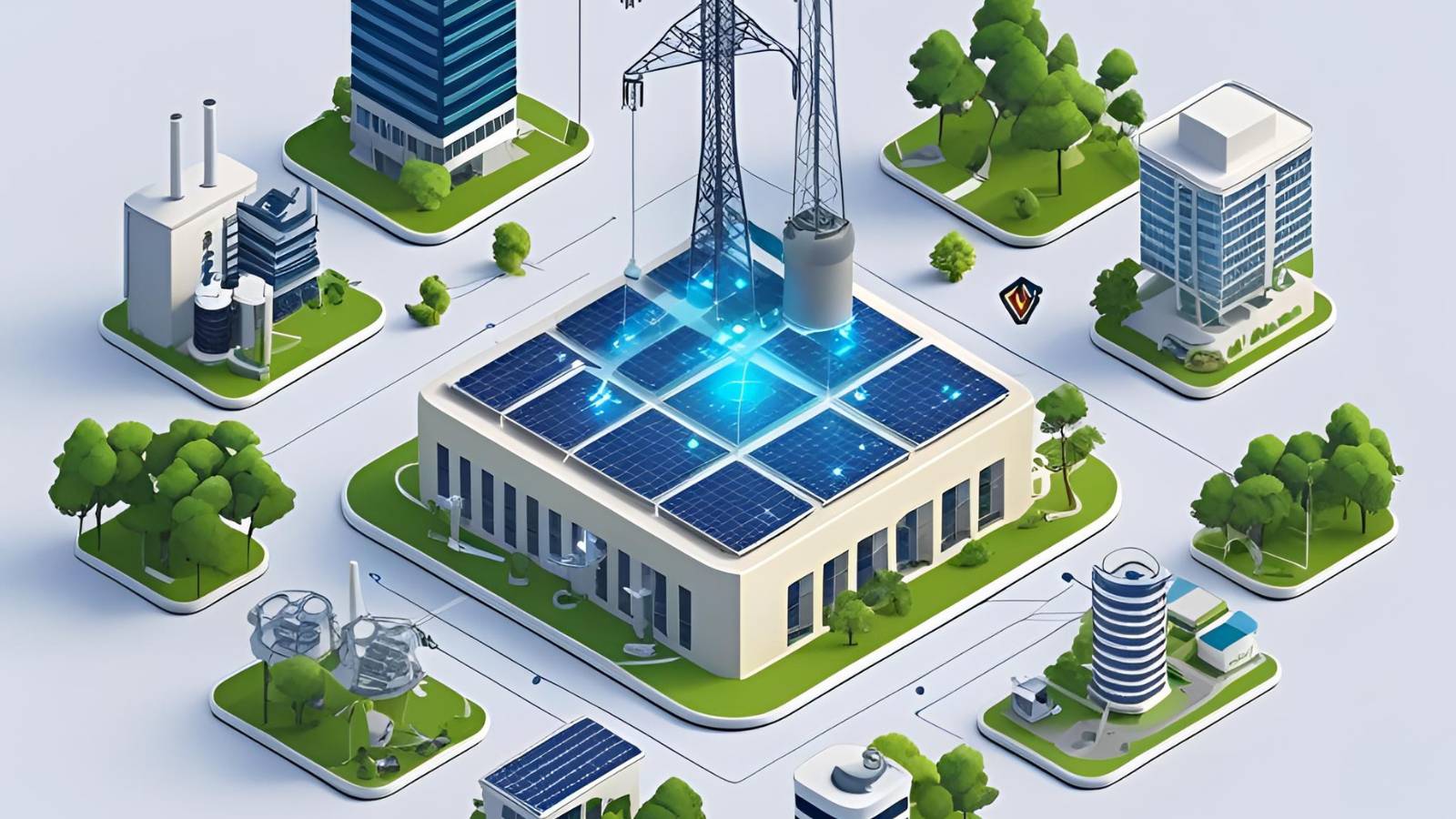
AIPCHAIN’s technological framework democratizes energy participation, affording consumers and investors unprecedented control and transparency.
- For Consumers: The platform enables participation in P2P energy markets, providing opportunities to buy and sell surplus renewable energy directly. Real-time consumption analytics empower consumers to optimize usage patterns, resulting in cost savings and increased energy independence.
- For Investors: Transparent performance metrics and predictive insights afford investors a comprehensive view of decentralized energy assets, facilitating data-driven investment strategies in renewable generation, storage technologies, and grid infrastructure.
This empowerment fosters greater adoption of clean energy solutions and aligns stakeholder incentives with sustainability objectives.
4. Scalability and Global Prospects of AIPCHAIN’s Solutions
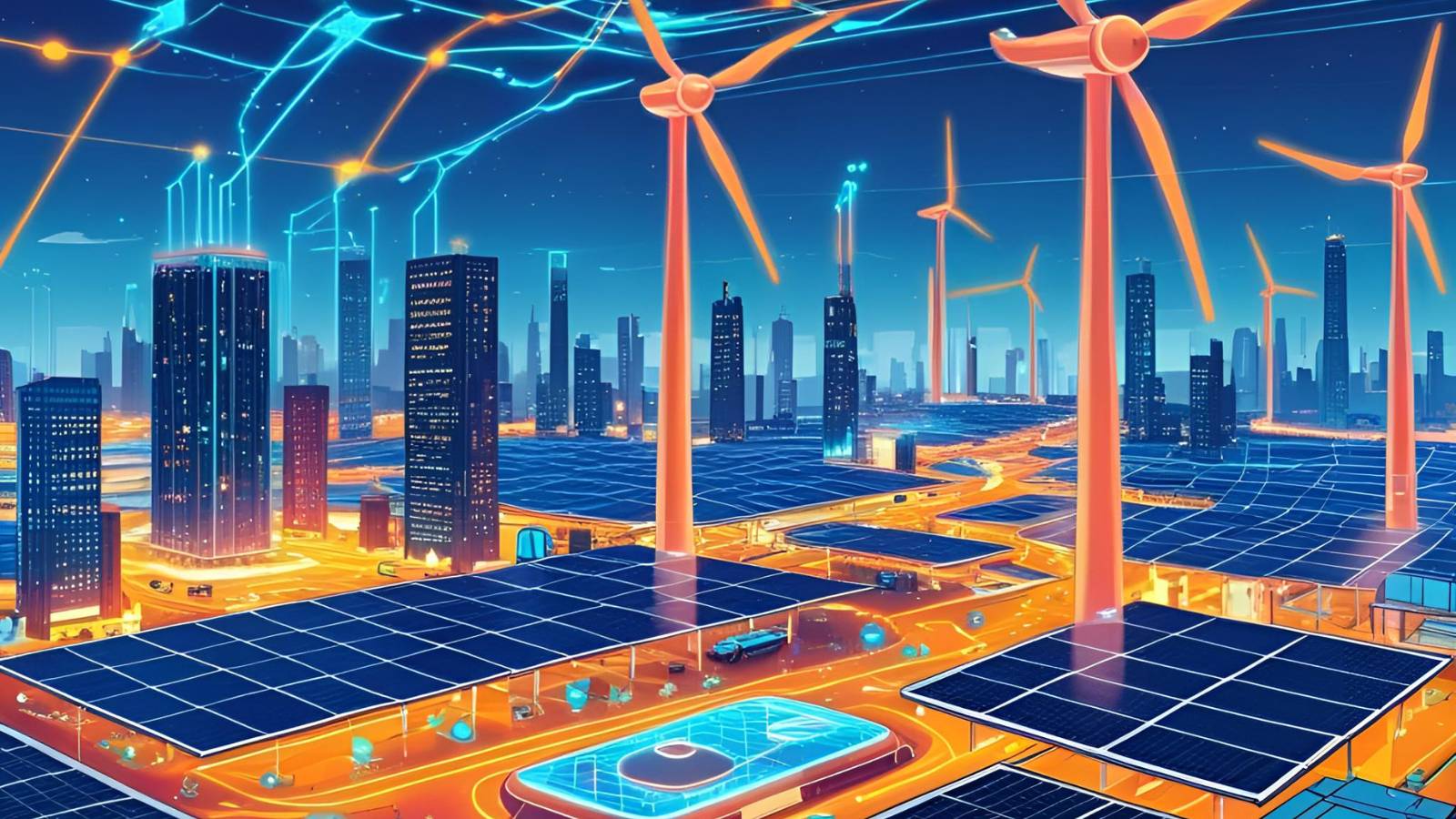
AIPCHAIN’s modular blockchain and AI architecture supports scalability from localized microgrids to transnational energy networks. The platform’s flexibility accommodates diverse market structures and regulatory environments, enhancing its applicability across global energy landscapes.
Furthermore, AIPCHAIN is enabling cross-border peer-to-peer energy trading, dismantling conventional market barriers and promoting an interconnected, resilient, and sustainable international energy infrastructure.
5. Future Outlook: Shaping a Sustainable Energy Paradigm
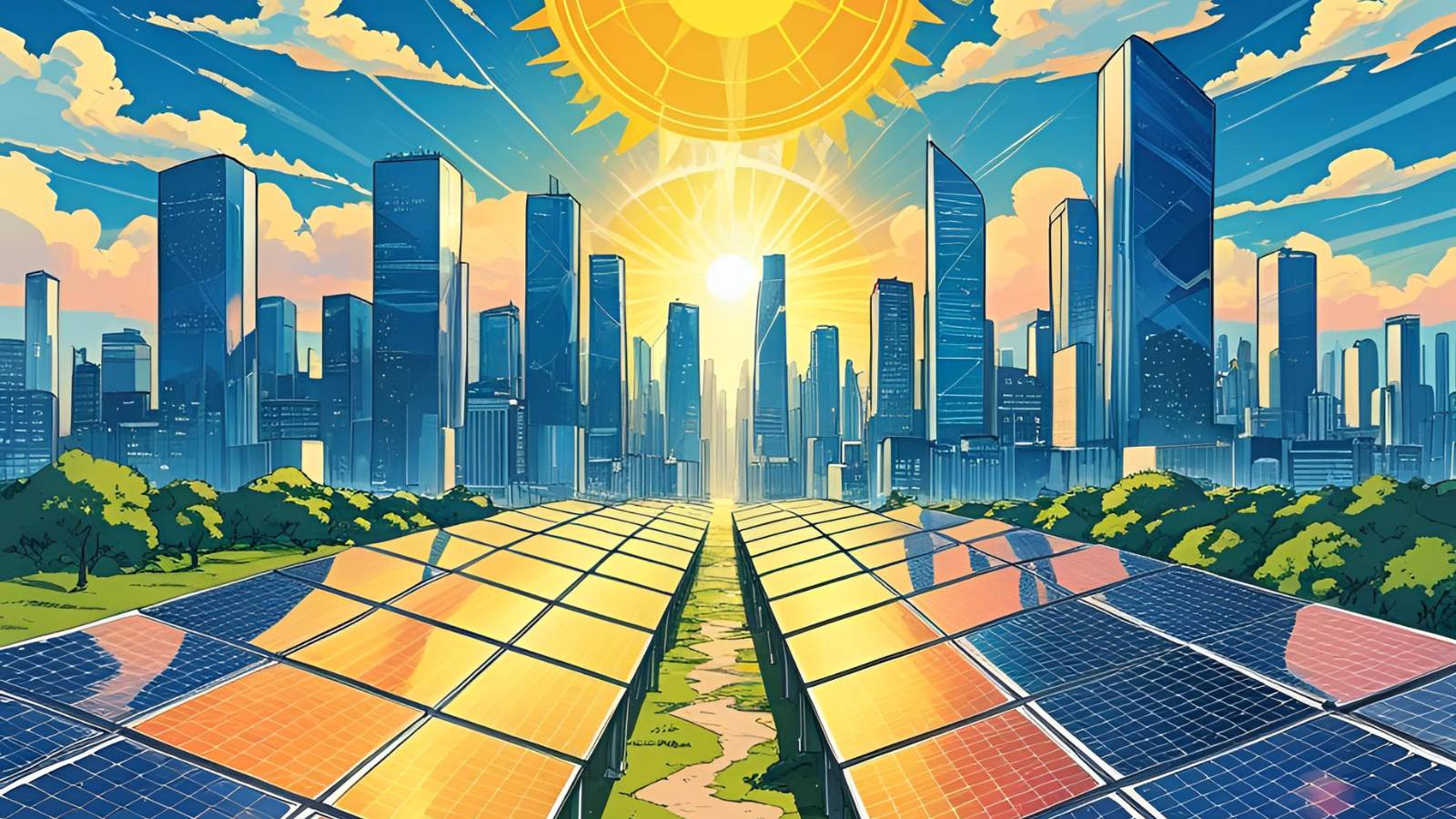
As global energy systems transition towards decentralized, smart grids, AIPCHAIN’s integrative approach is instrumental in shaping the future energy ecosystem. By harnessing the combined capabilities of AI and blockchain, AIPCHAIN is driving a shift towards transparency, efficiency, and autonomy in energy management.
The company’s vision encompasses the proliferation of smart grids, advanced energy storage, and decentralized networks that empower all participants, ultimately fostering a sustainable and equitable energy future.
6. Conclusion
AIPCHAIN’s pioneering integration of AI and blockchain technologies is redefining decentralized energy systems. Through enabling secure peer-to-peer trading, predictive optimization of energy resources, and transparent transaction recording, AIPCHAIN empowers consumers and investors alike to actively engage in and benefit from the emerging energy economy.
This innovative model not only enhances operational efficiency and sustainability but also catalyzes a new era of energy independence and market democratization. As renewable energy adoption accelerates, AIPCHAIN’s platform lays the foundational infrastructure for a resilient, transparent, and globally scalable energy ecosystem.
References
- Mohd, S. (2020). Blockchain for Energy Systems: Future Outlook and Challenges. Energy Reports.
- Liu, Z., & Wang, J. (2019). AI in Smart Grids: Optimizing Energy Distribution. Journal of Clean Energy Technologies.
- Patel, A. (2021). Blockchain and AI Integration in Decentralized Energy Markets. Renewable Energy Journal.